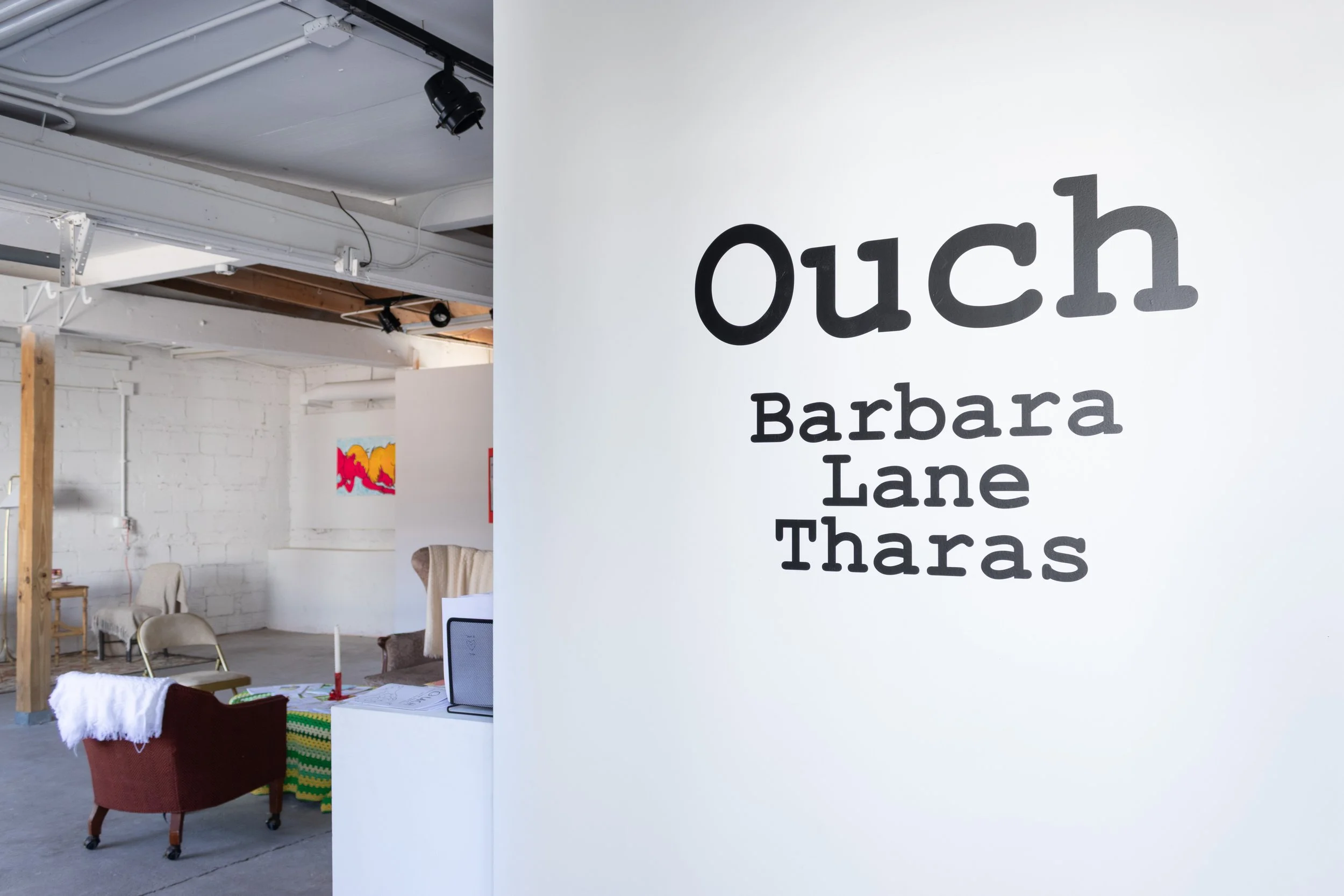
Offsite Art Space | Lawrence, Kansas — February 2026
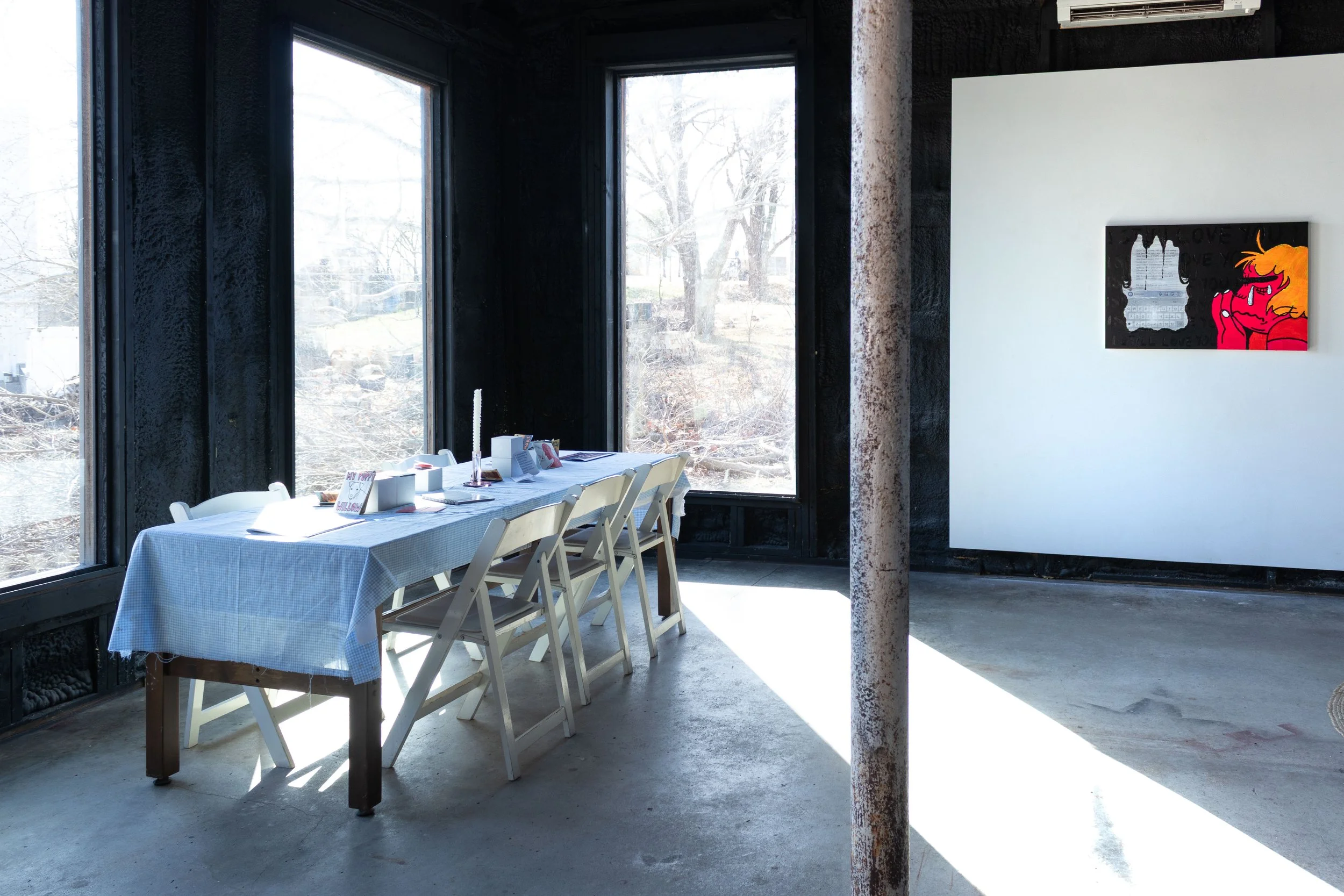
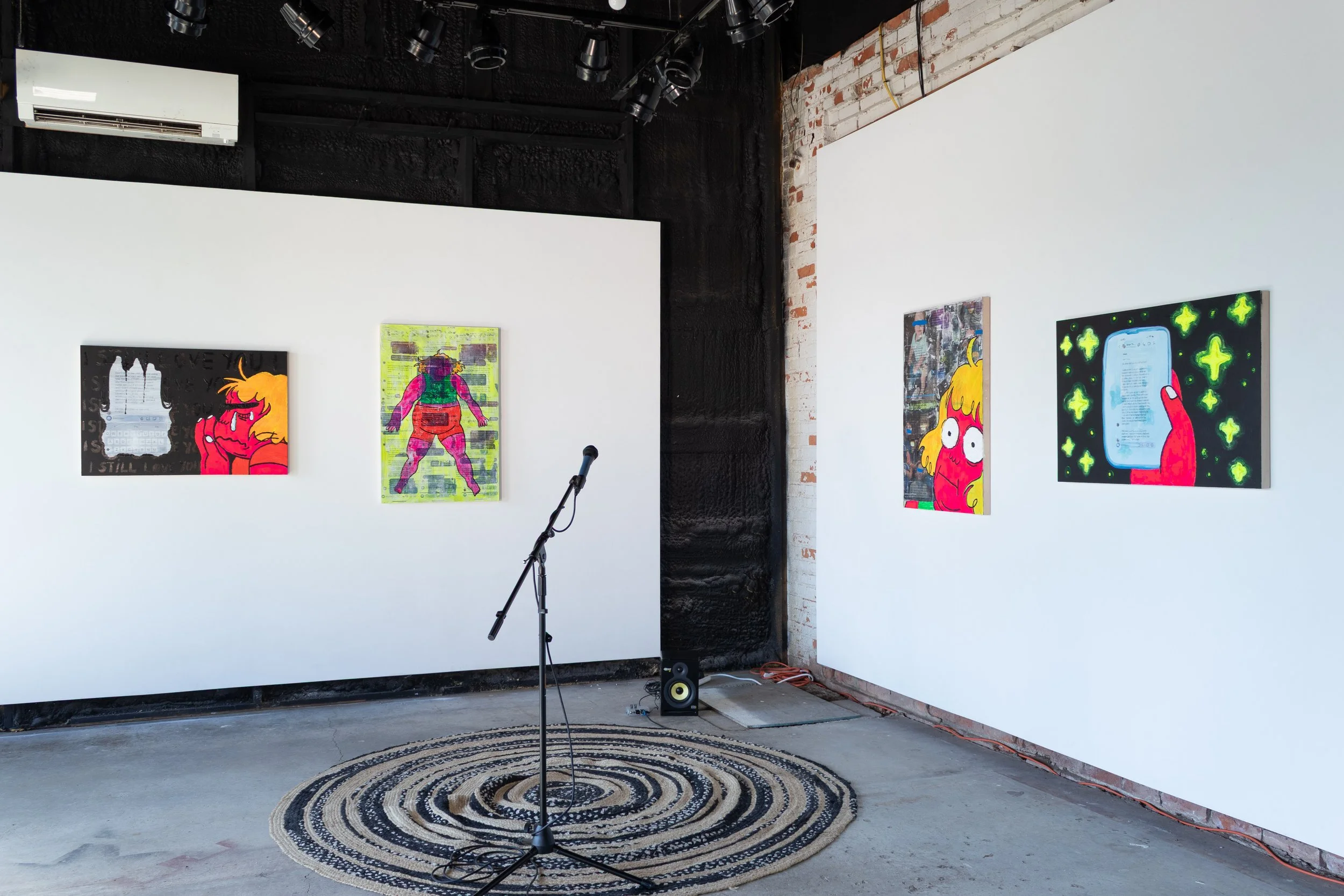
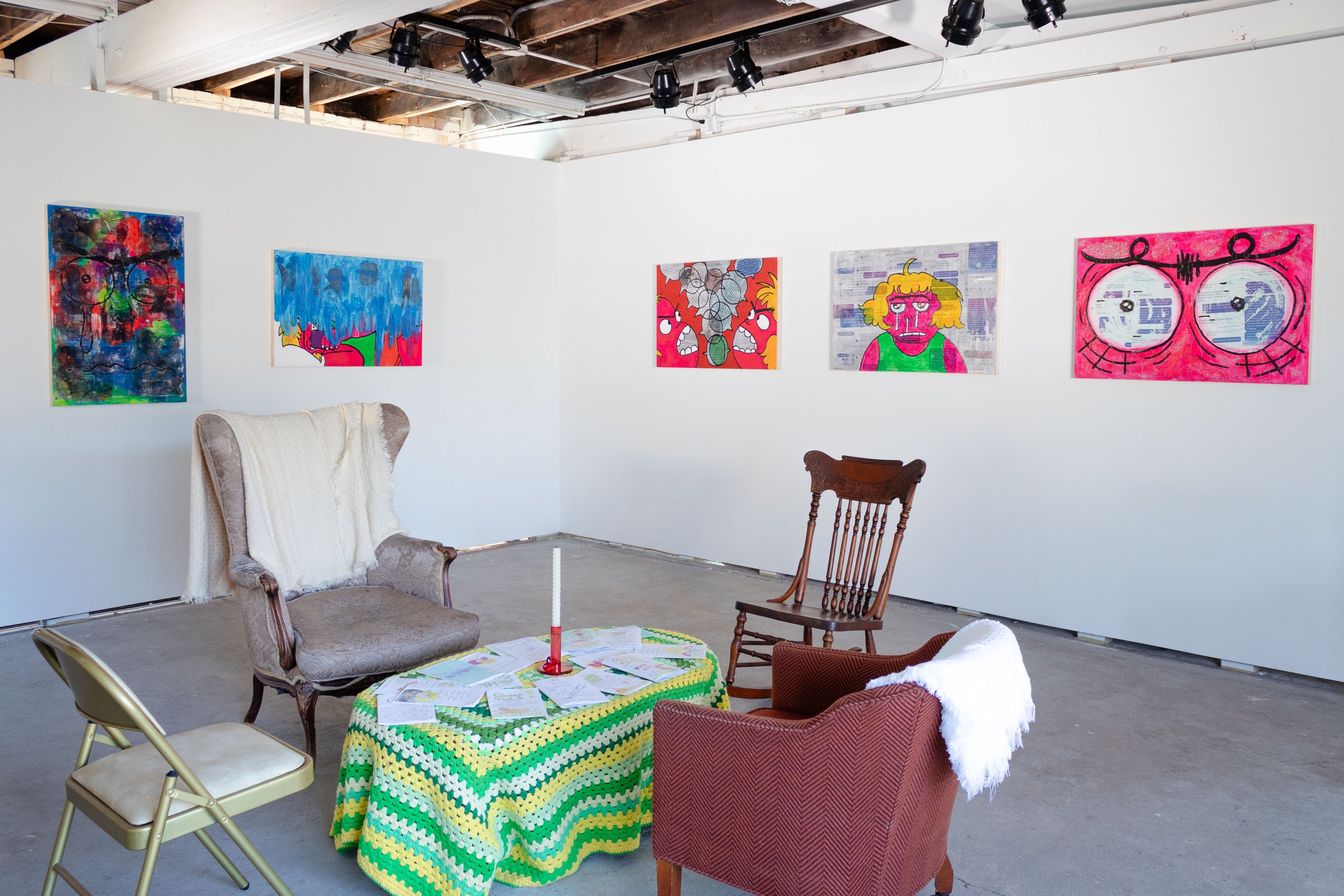
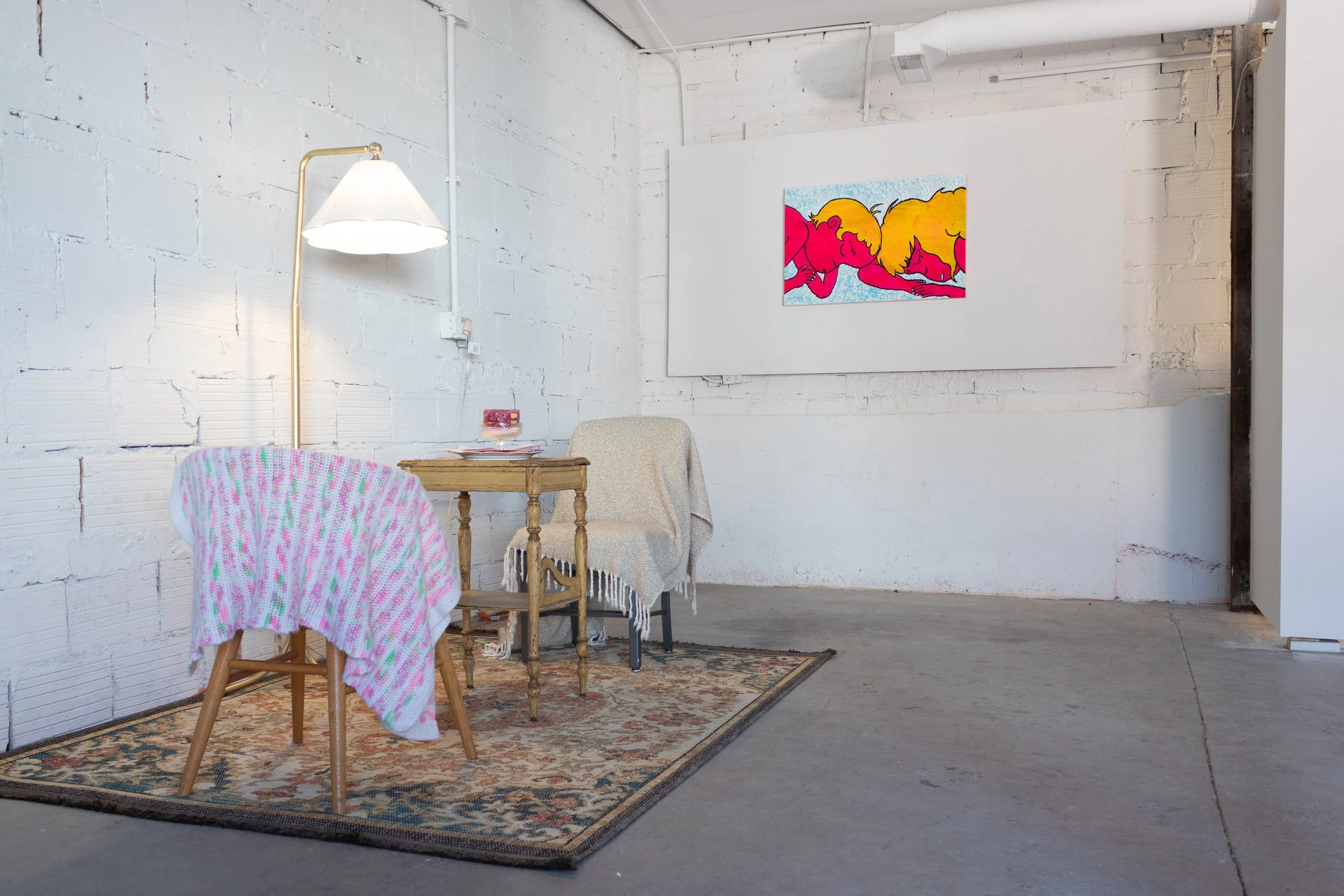
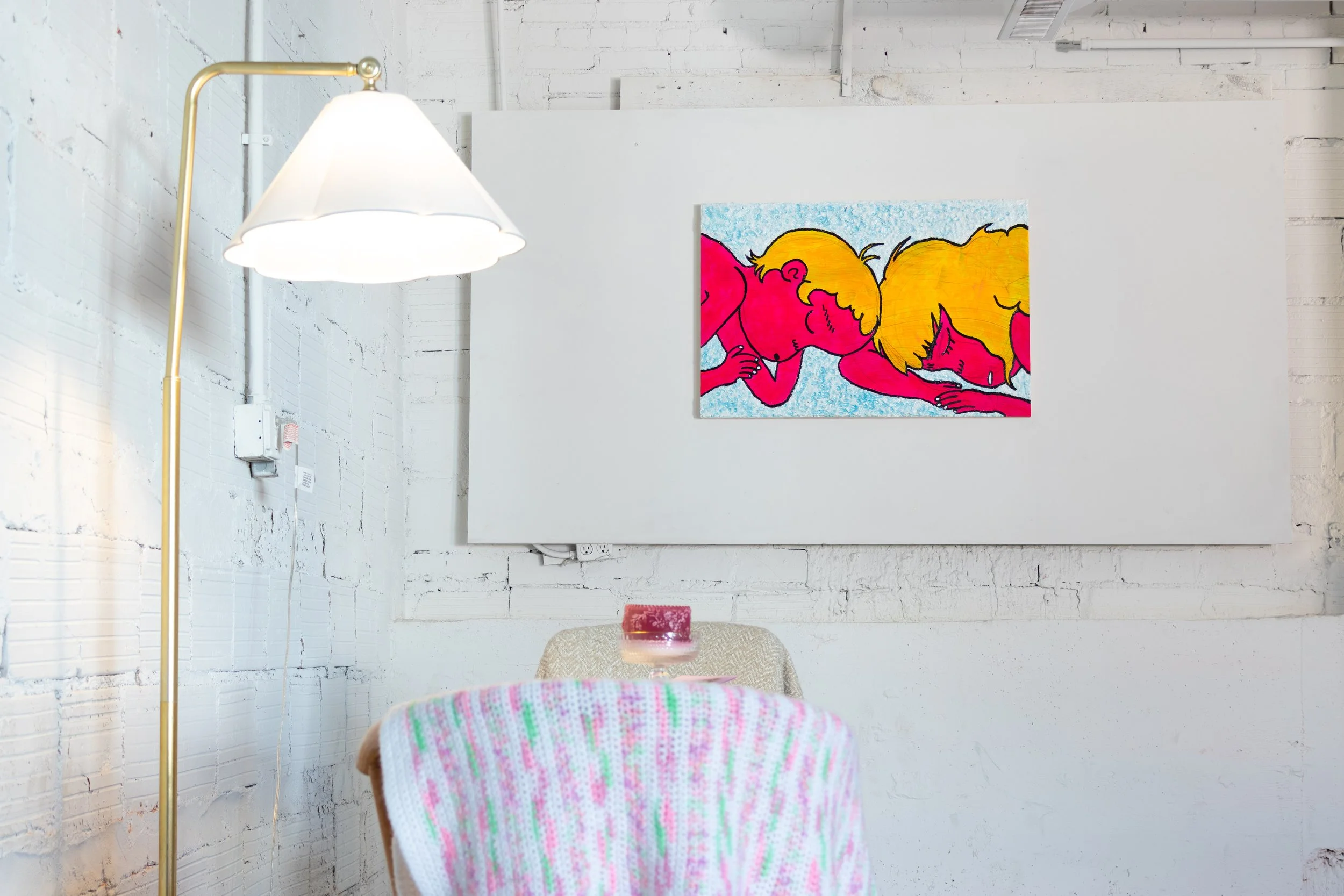
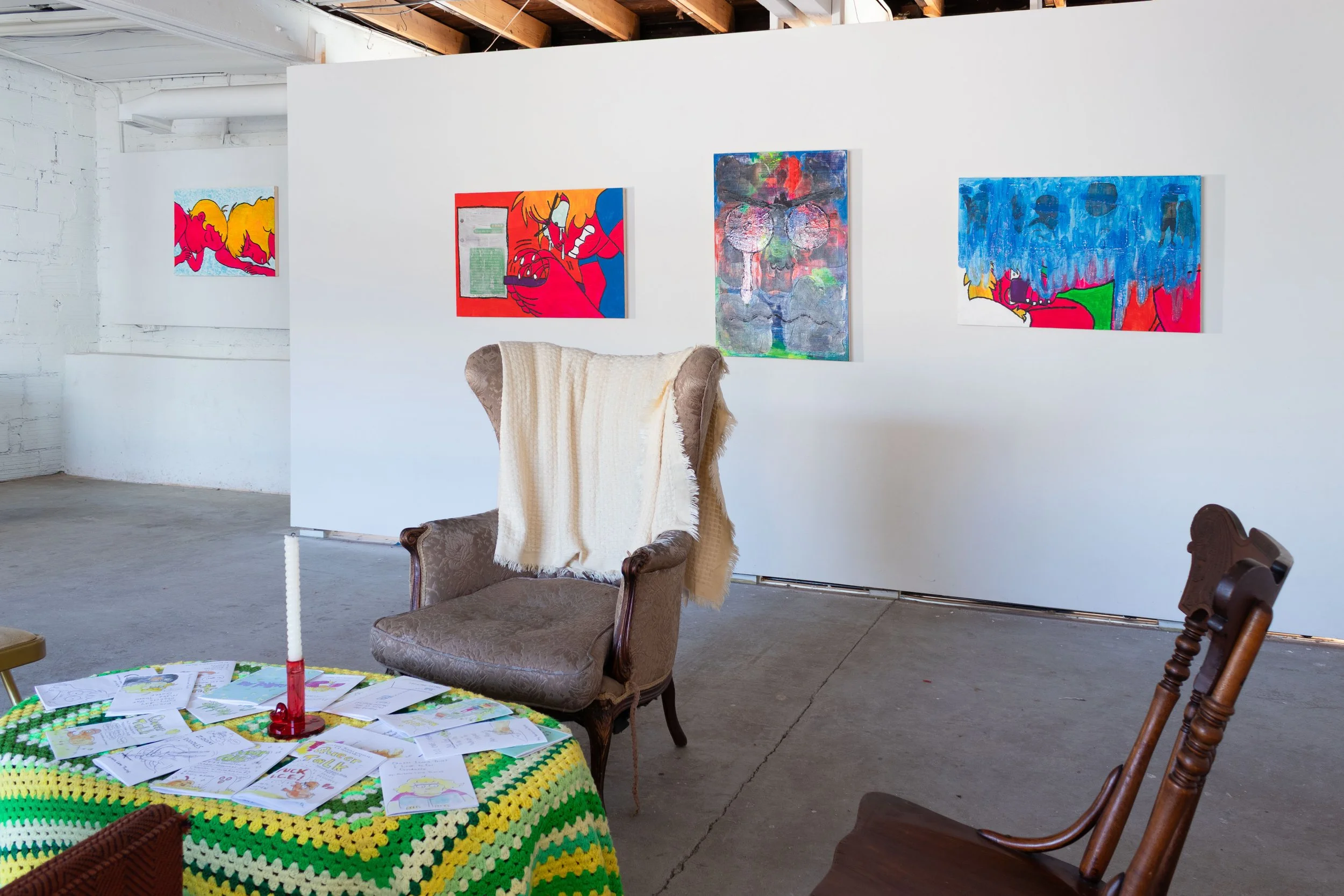
In February, Offsite Art Space opened its doors for a two-week long exhibition that centered on community, voice, and the DIY impulse. Alongside a presentation of visual work, the space hosted two participatory features designed to make the gallery into a living forum: an open mic and a zine-making station.
The open mic welcomed anyone who wanted to take a microphone and speak. There were readings of poetry, personal stories, political calls-to-action, short essays, and quiet moments of reflection. Some performers arrived with prepared pieces; others spoke from the moment, responding to the room and to each other. The tone varied—earnest, humorous, urgent—but every contribution was received with attention. The mic was not curated in the conventional sense; instead, it functioned as a practice in listening and a tangible exercise of belonging. By lowering barriers to participation, the event made space for voices that might otherwise remain unheard.
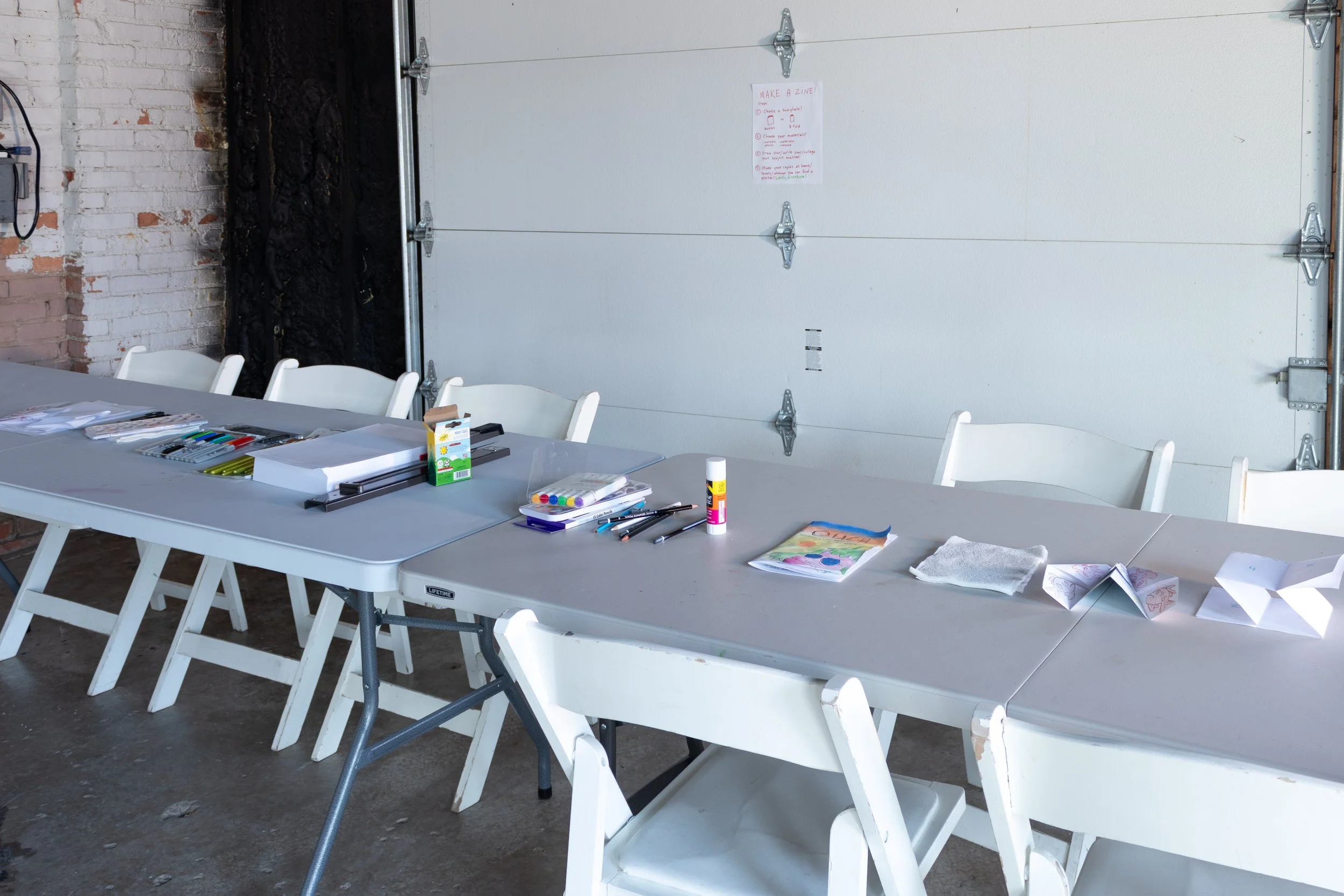
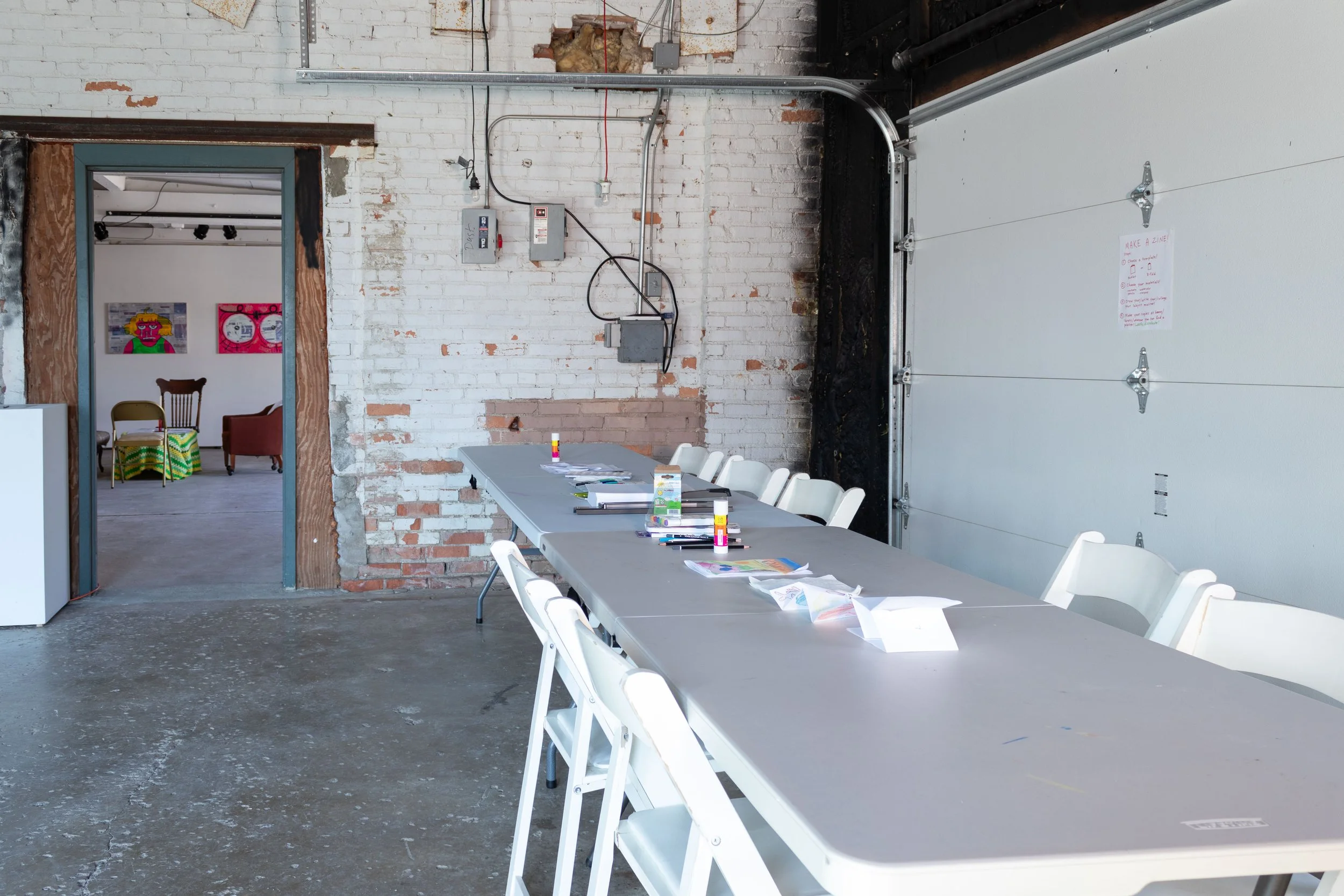
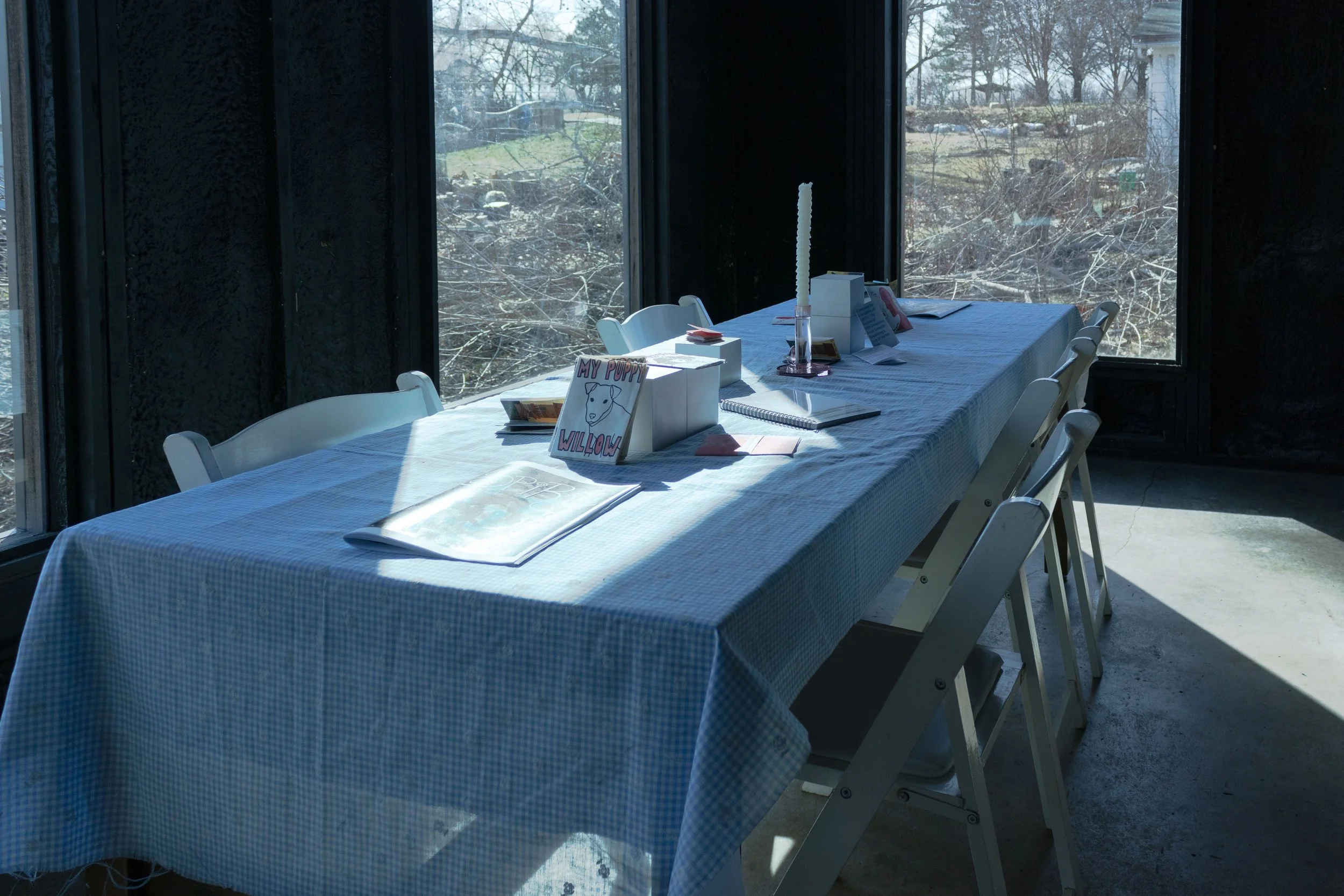
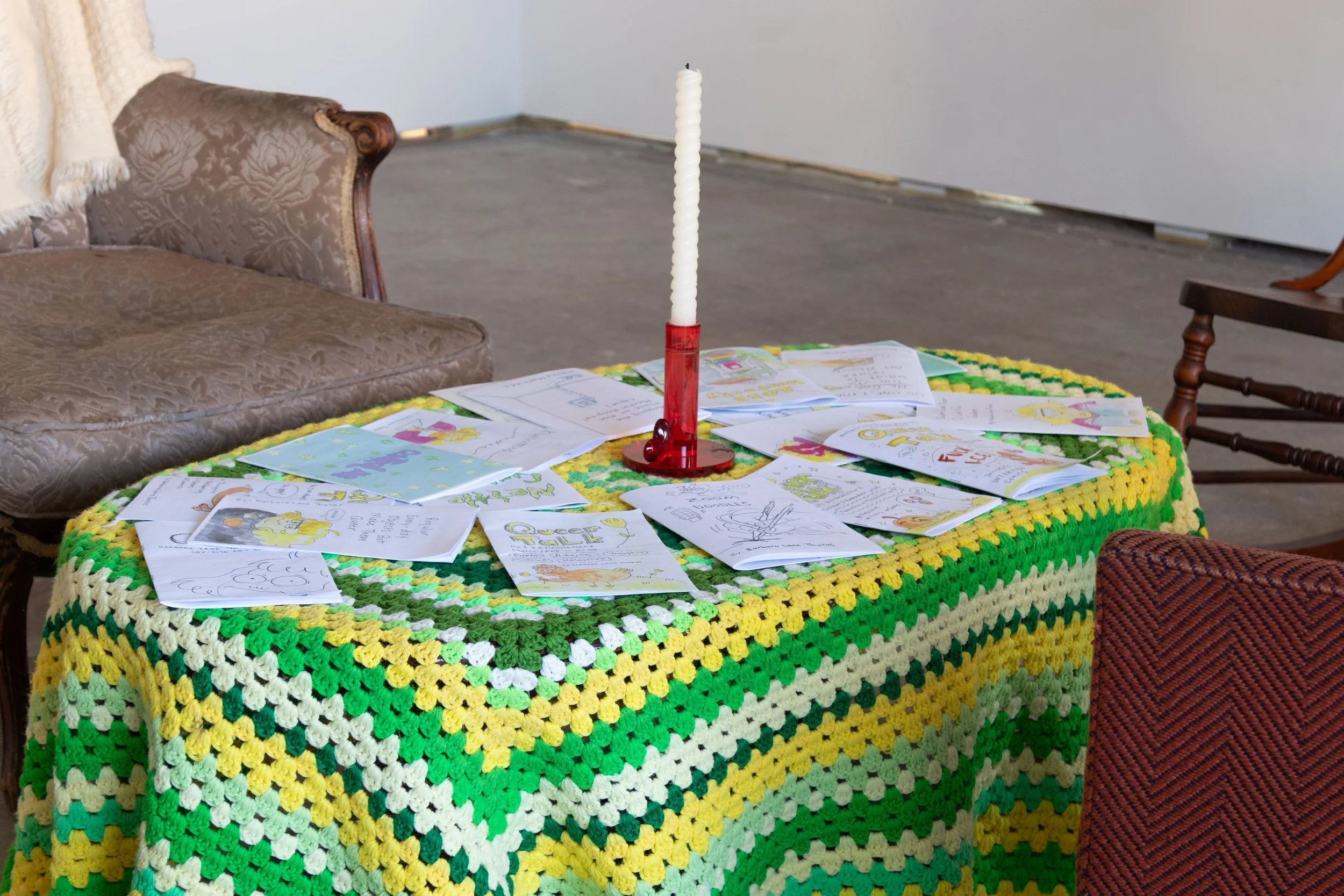
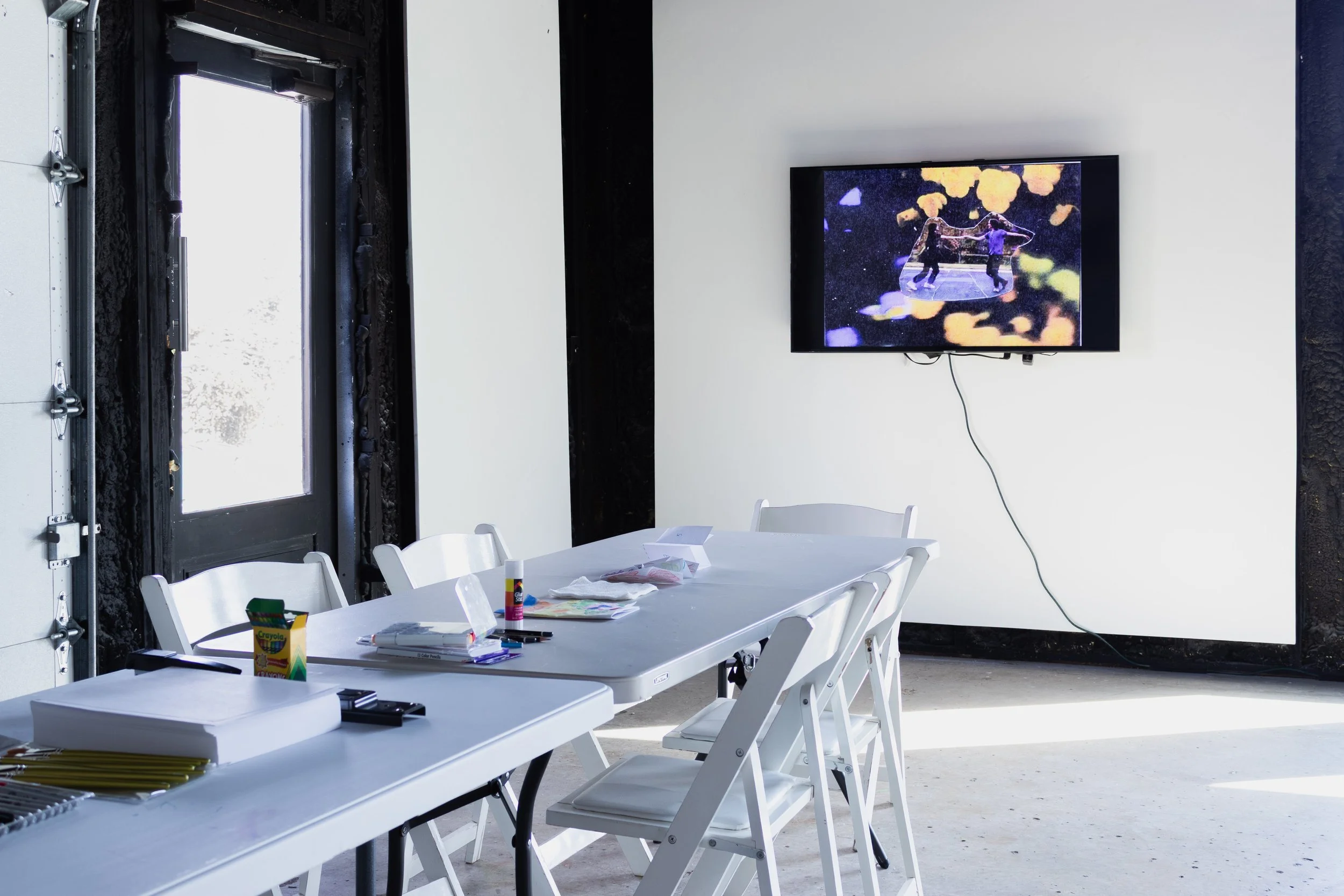
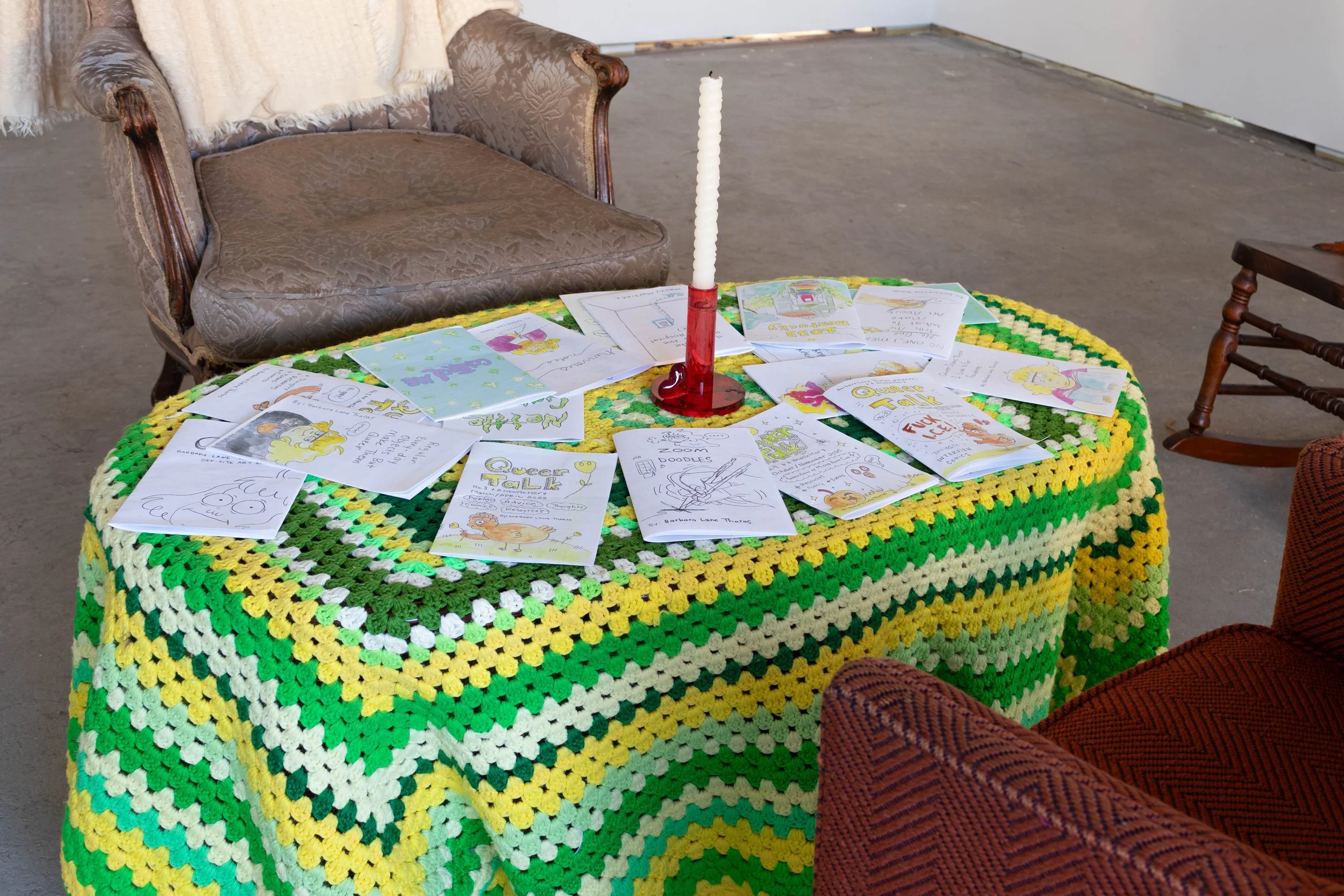
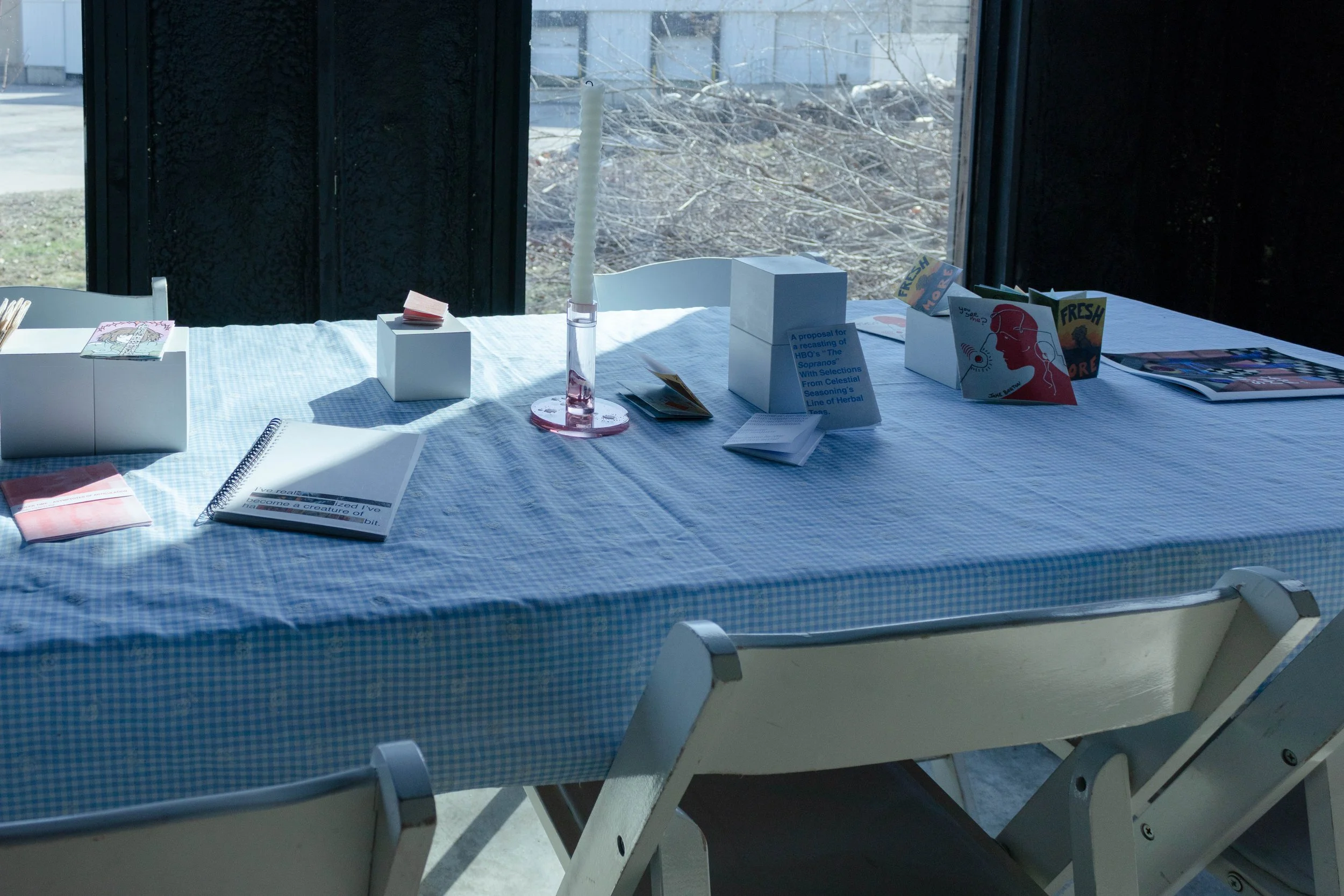
A zine-making station stocked paper, collage materials, pens, staples, and an instruction sheet with simple folding and binding methods. Visitors were invited to create small-run publications on any topic—memoirs, manifestos, lists, art portfolios, or experimental sequences of images and text. Completed zines could be left in a communal stack or taken away to share. The station emphasized self-publishing as an act of agency: making and distributing a zine became a direct way to contribute to the exhibition’s circulation of ideas and experiences.
With the exhibited artworks, the open mic and zine station shifted the gallery from a site of display into a participatory commons. The exhibition framed artistic practice as social practice: art did not merely hang on walls but catalyzed exchange, mutual aid, and creative risk-taking. Visitors encountered familiar neighbors and strangers; casual conversation turned into collaboration; singular moments of expression became part of a collective record.
By inviting spontaneous speech and do-it-yourself publishing, the show affirmed that community is an ongoing, created thing—made visible through active participation. The openness of the events did not erase differences; it honored them, providing sustainment through attention, distribution, and shared space. In that month, Offsite Art Space functioned less as a gallery and more as a rehearsal for public life—small acts of communication and creation that together suggested how a community might flourish when given tools, trust, and room to speak.
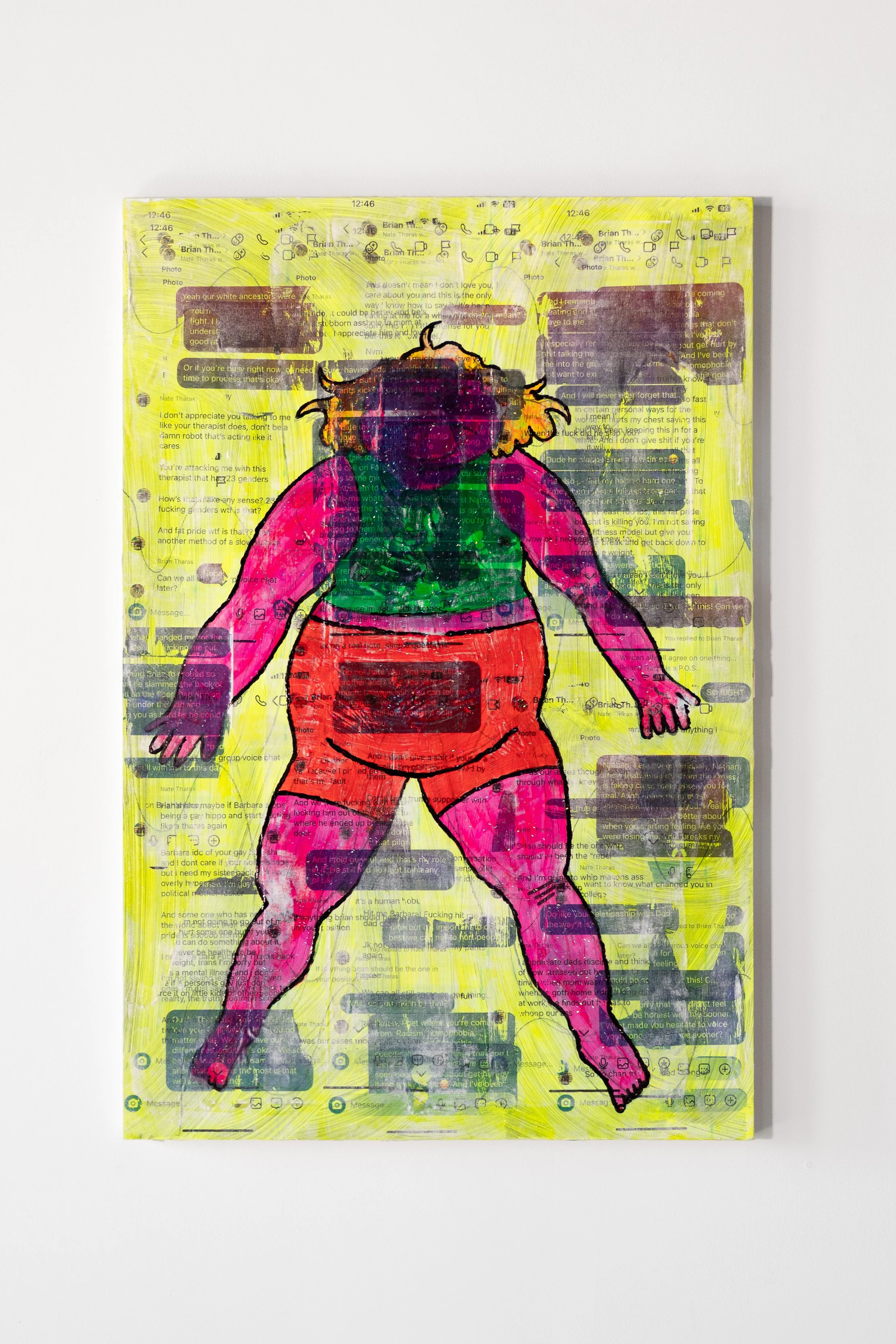
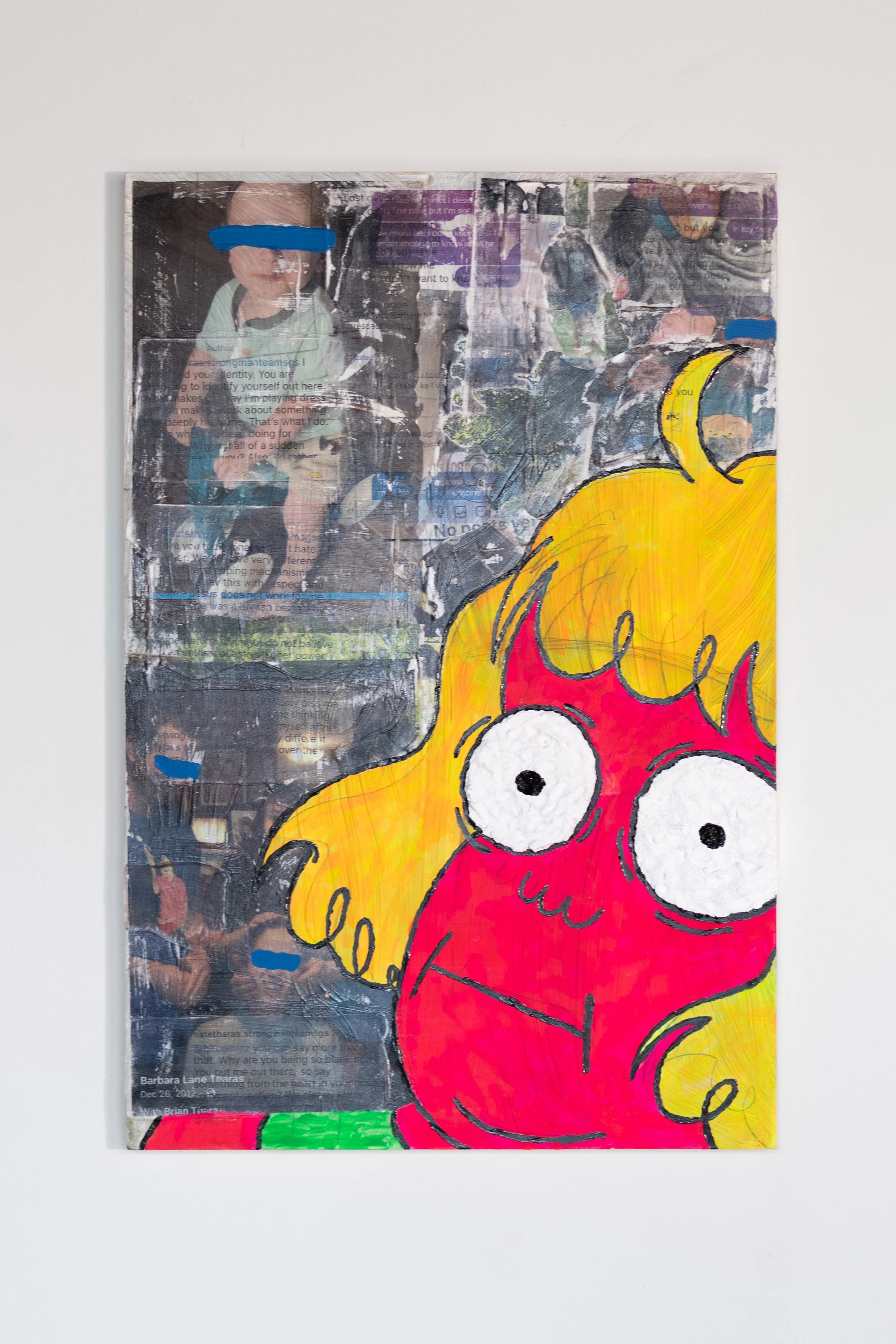
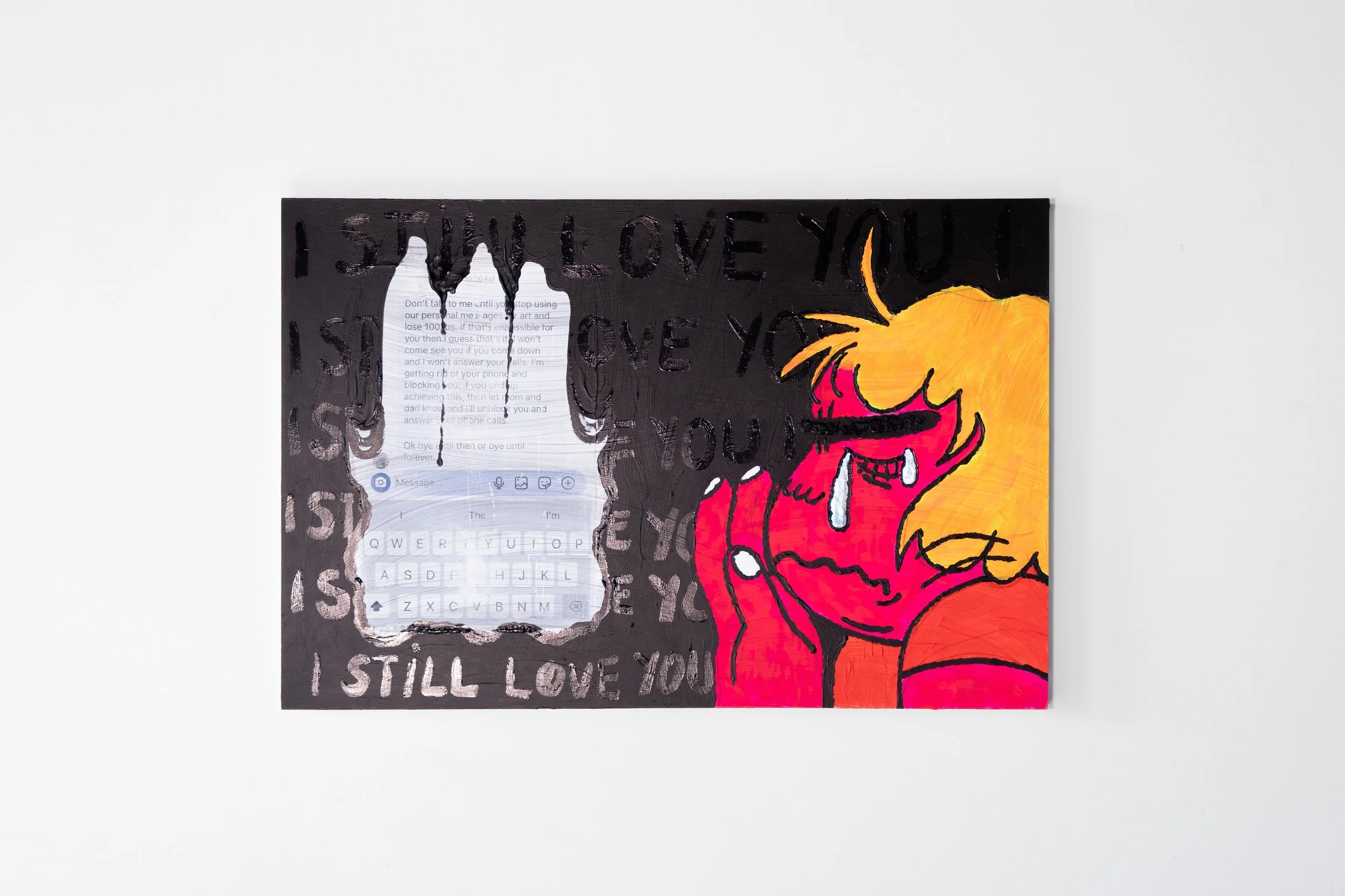
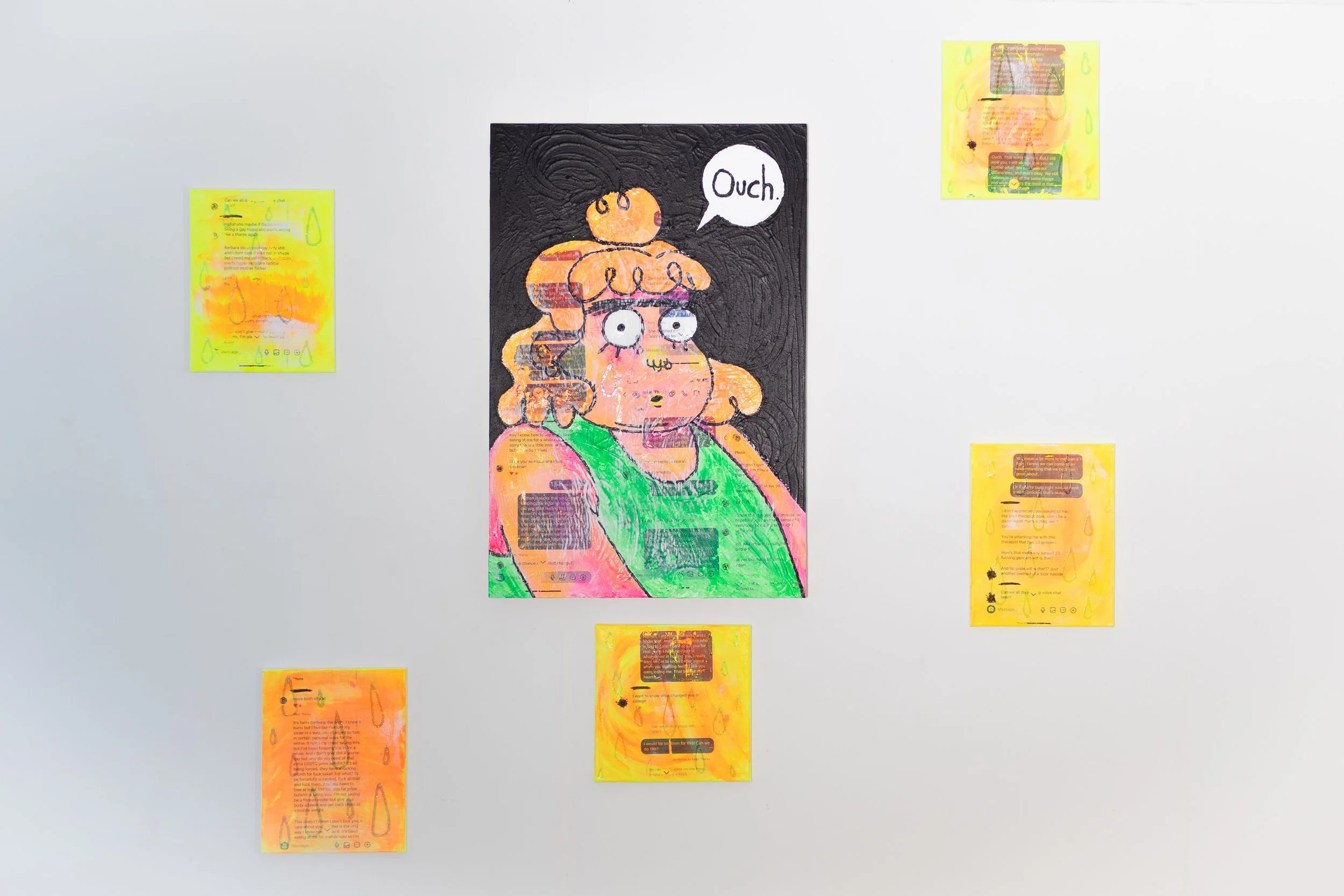
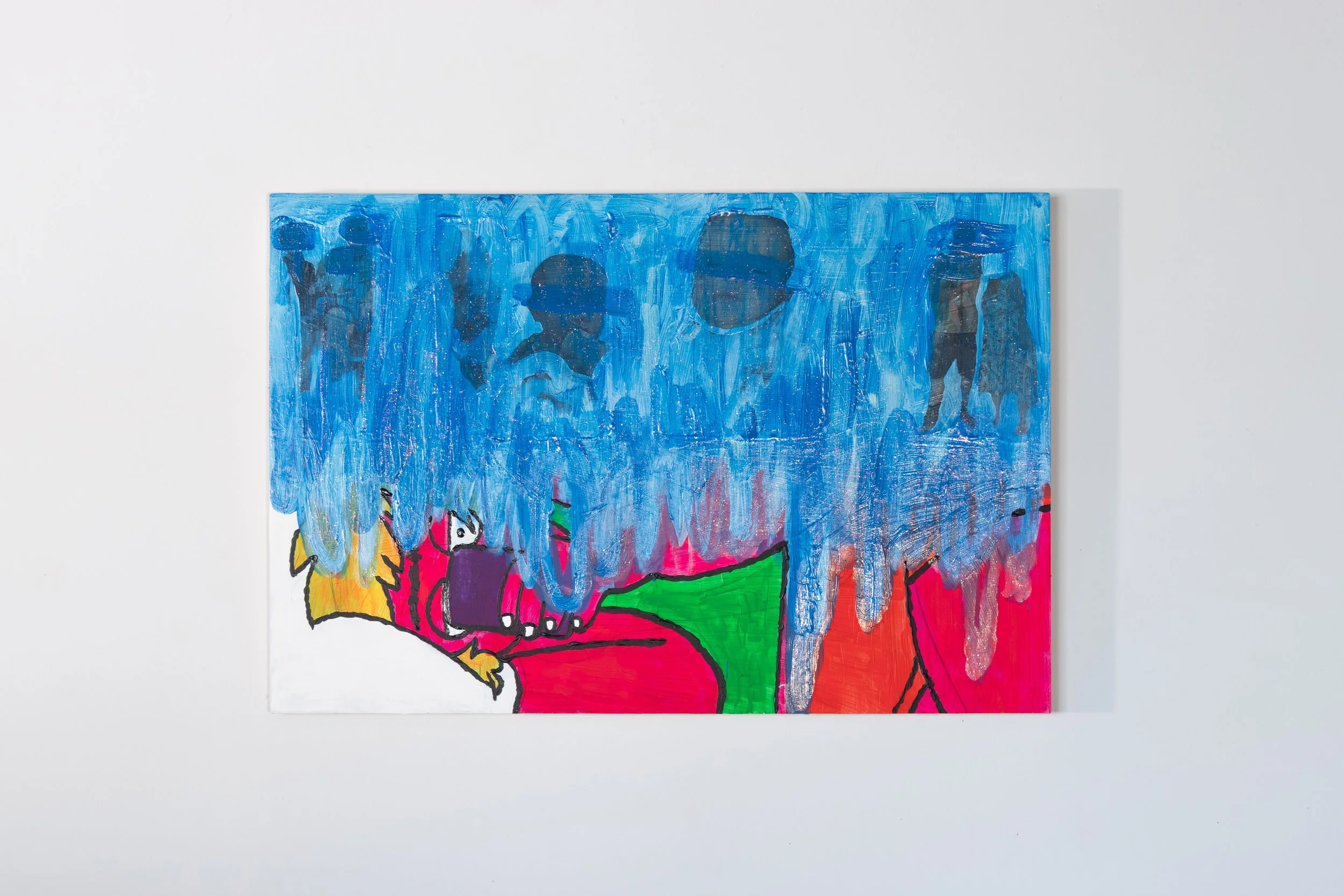
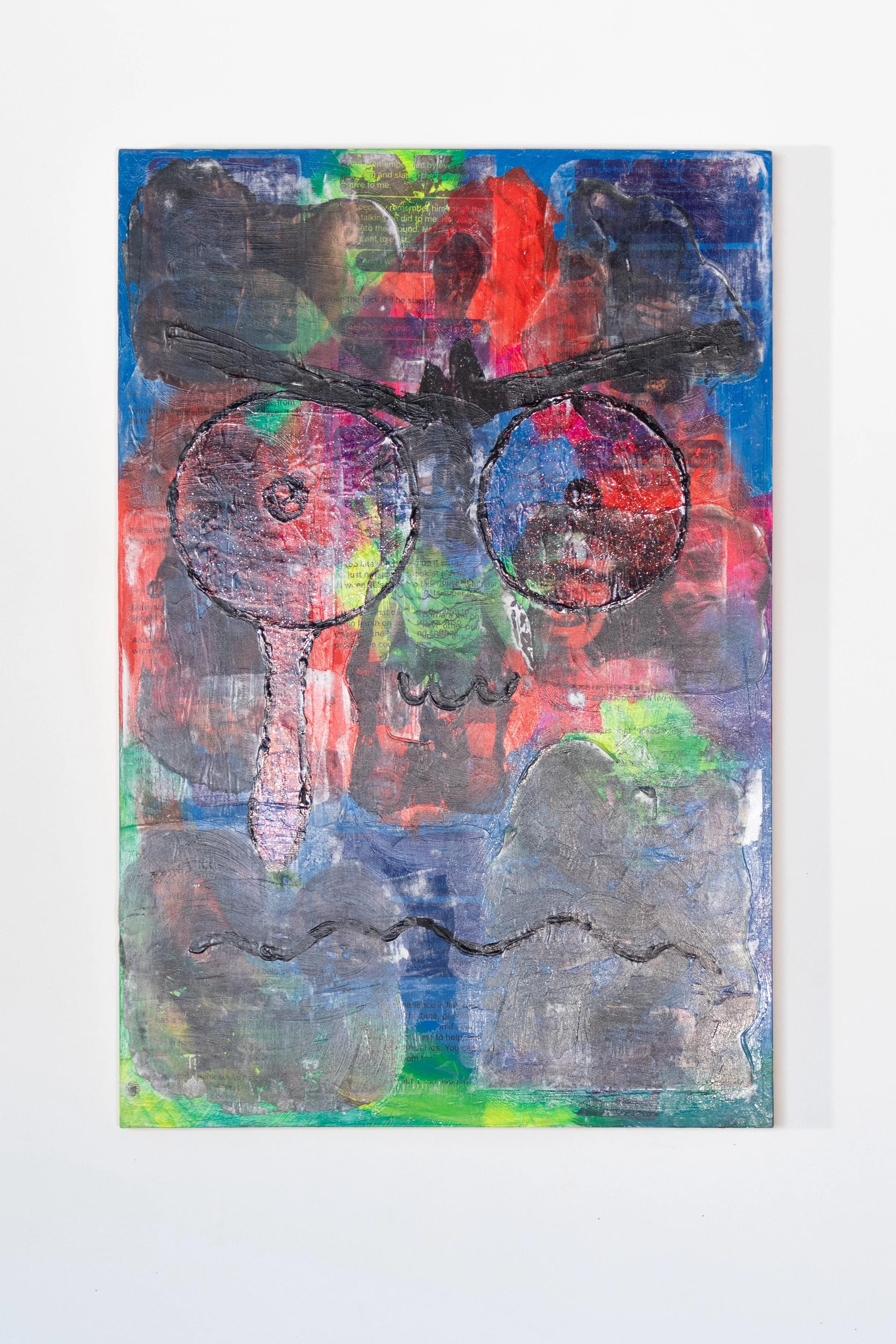
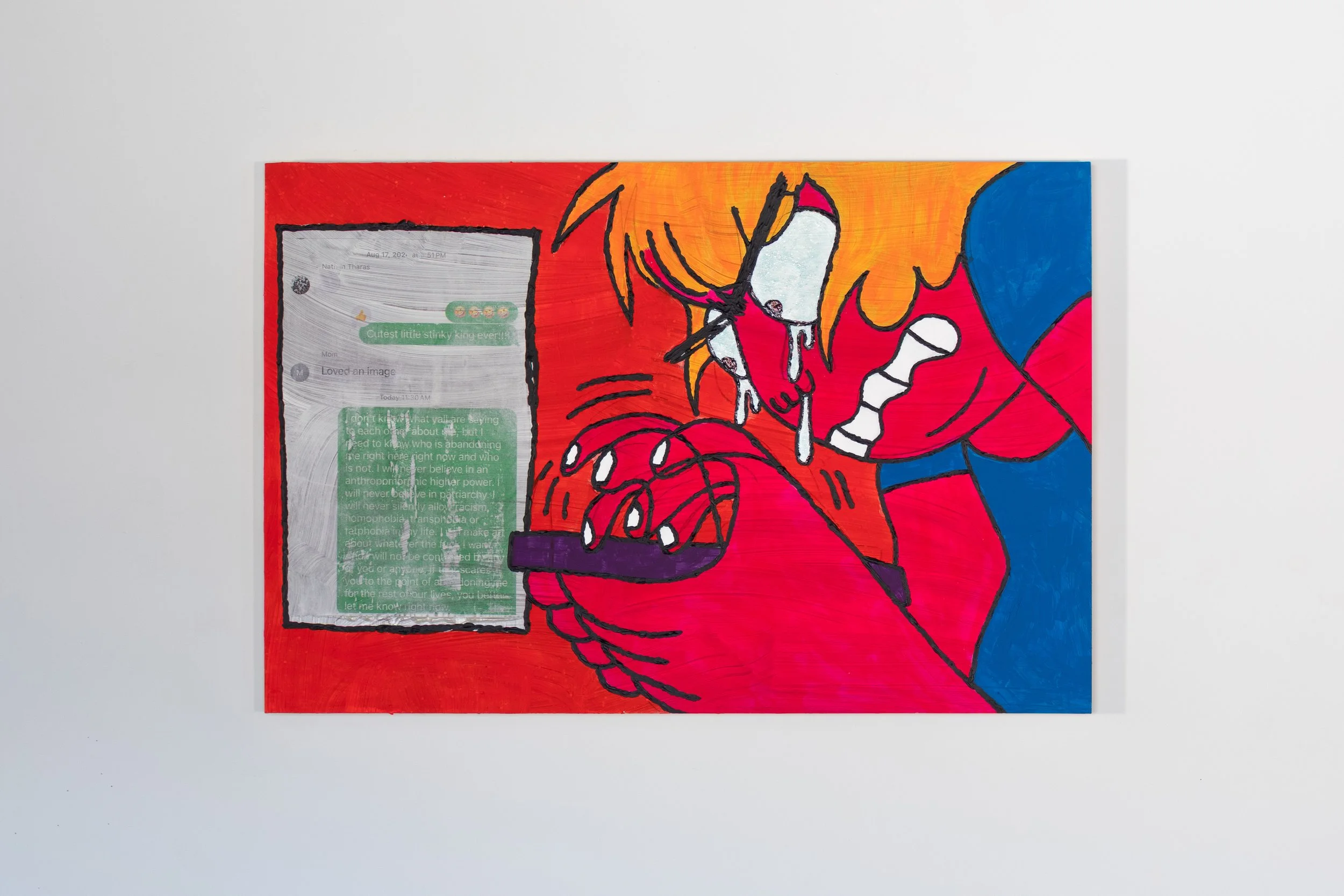
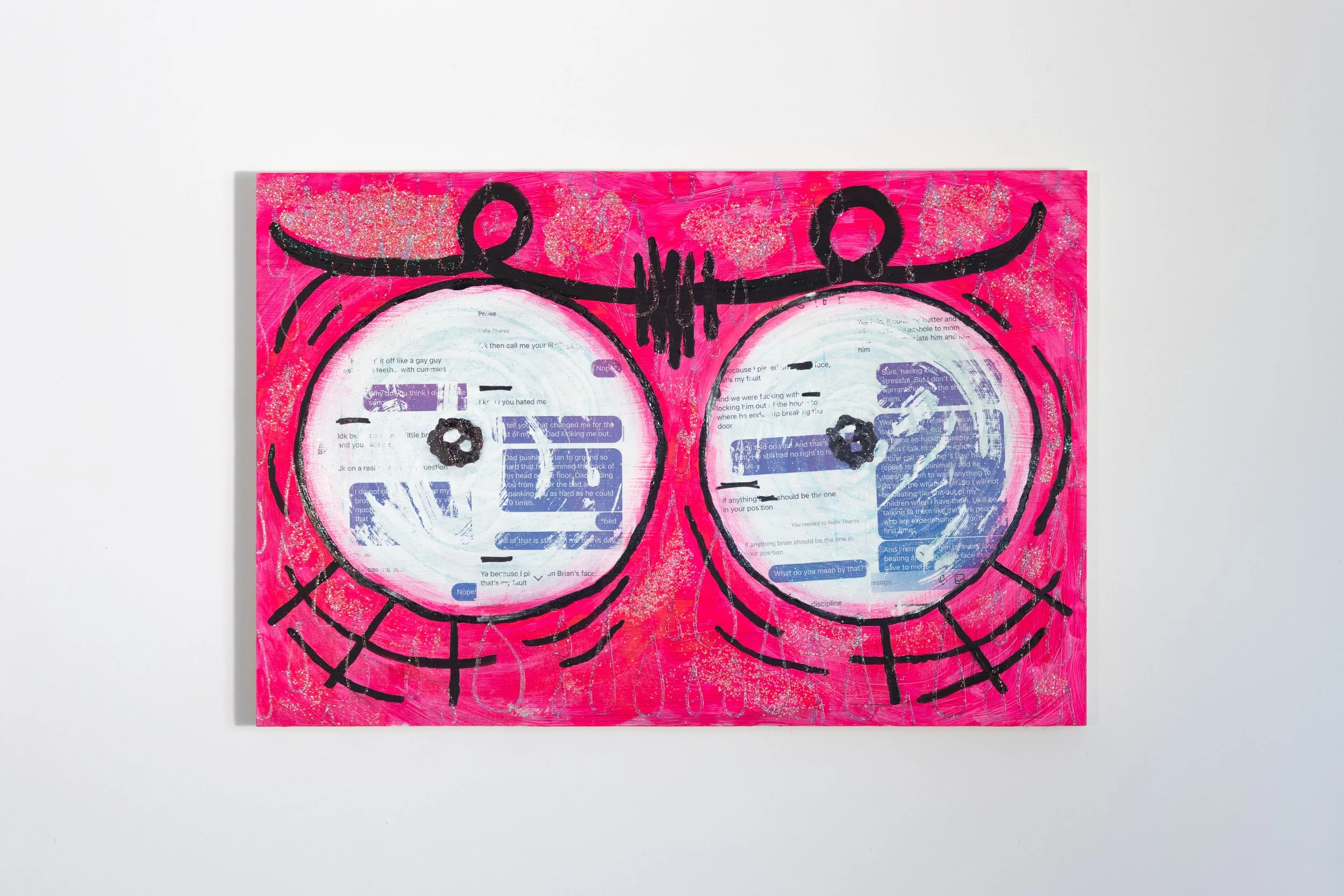
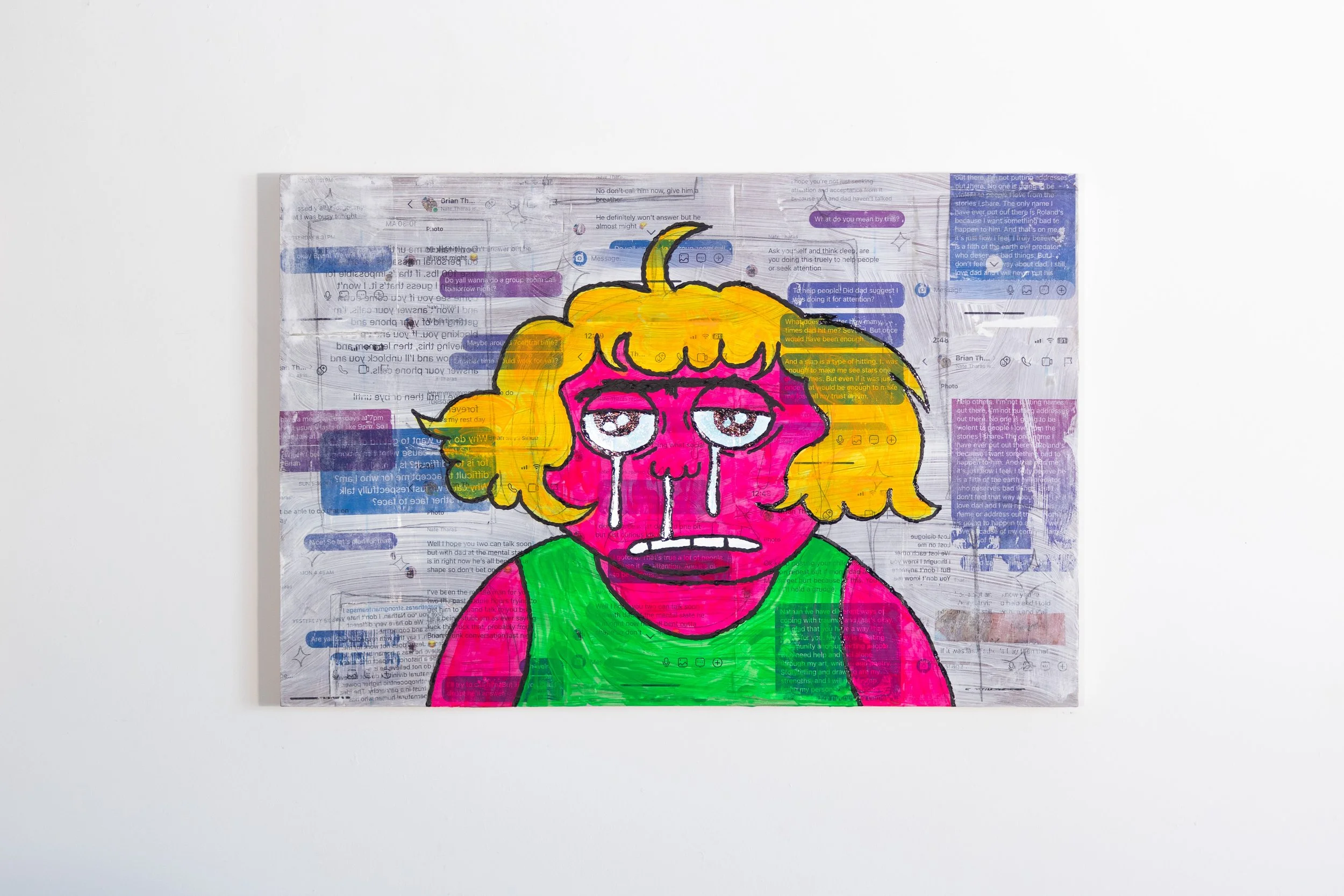
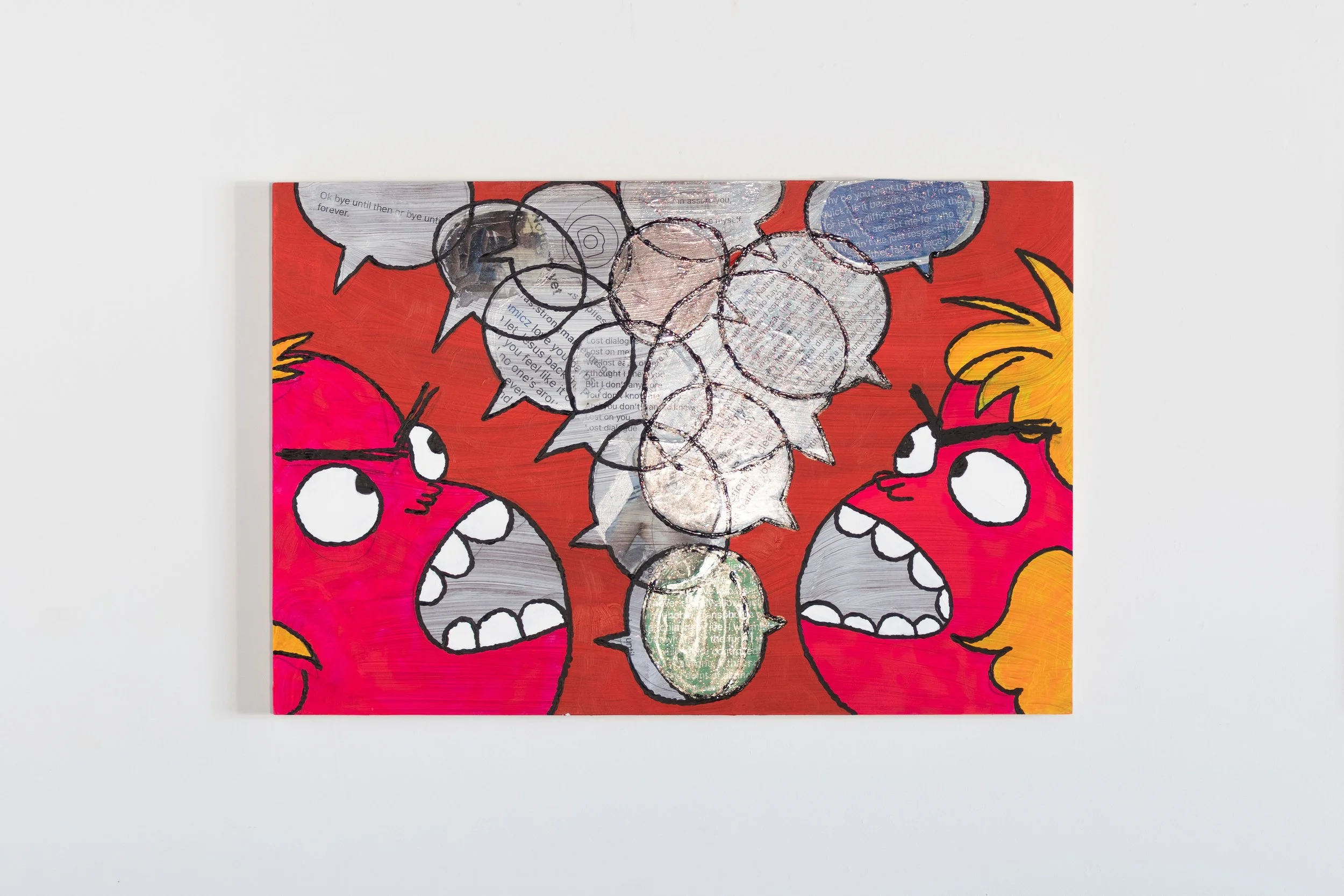
Last summer’s rupture with my brother — an attack on my queerness, my body, and my character — became the immediate catalyst for this body of work. Political assaults on rights provoke collective anger and organize resistance; personal rejection cuts in a different, quieter way. When that rejection comes from within the family, it unmoors and wounds in deep, intimate ways. It revealed how conditional belonging can be when tied to conforming bodies, normative gender expectations, and silent complicity with systems of capital and shame.
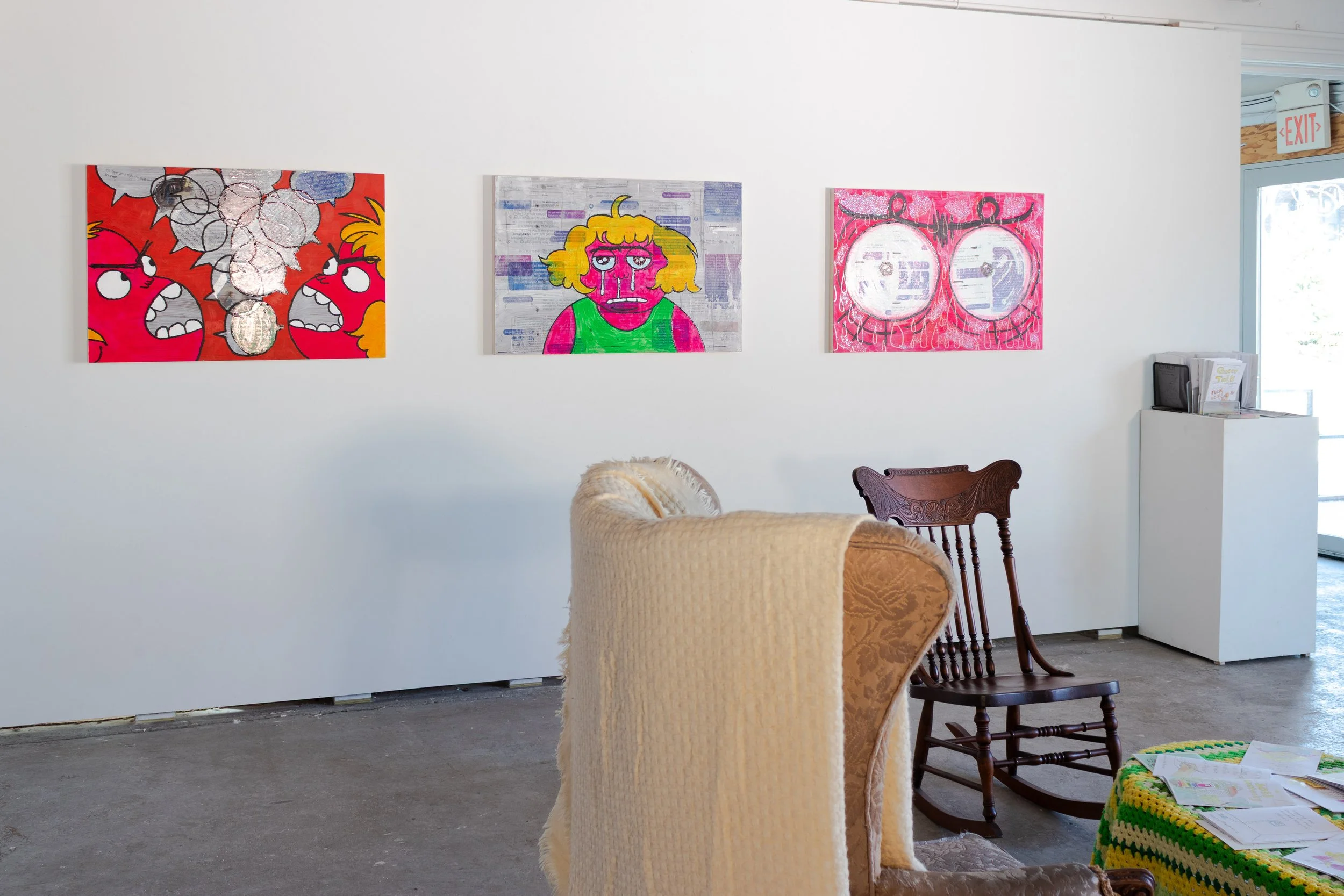
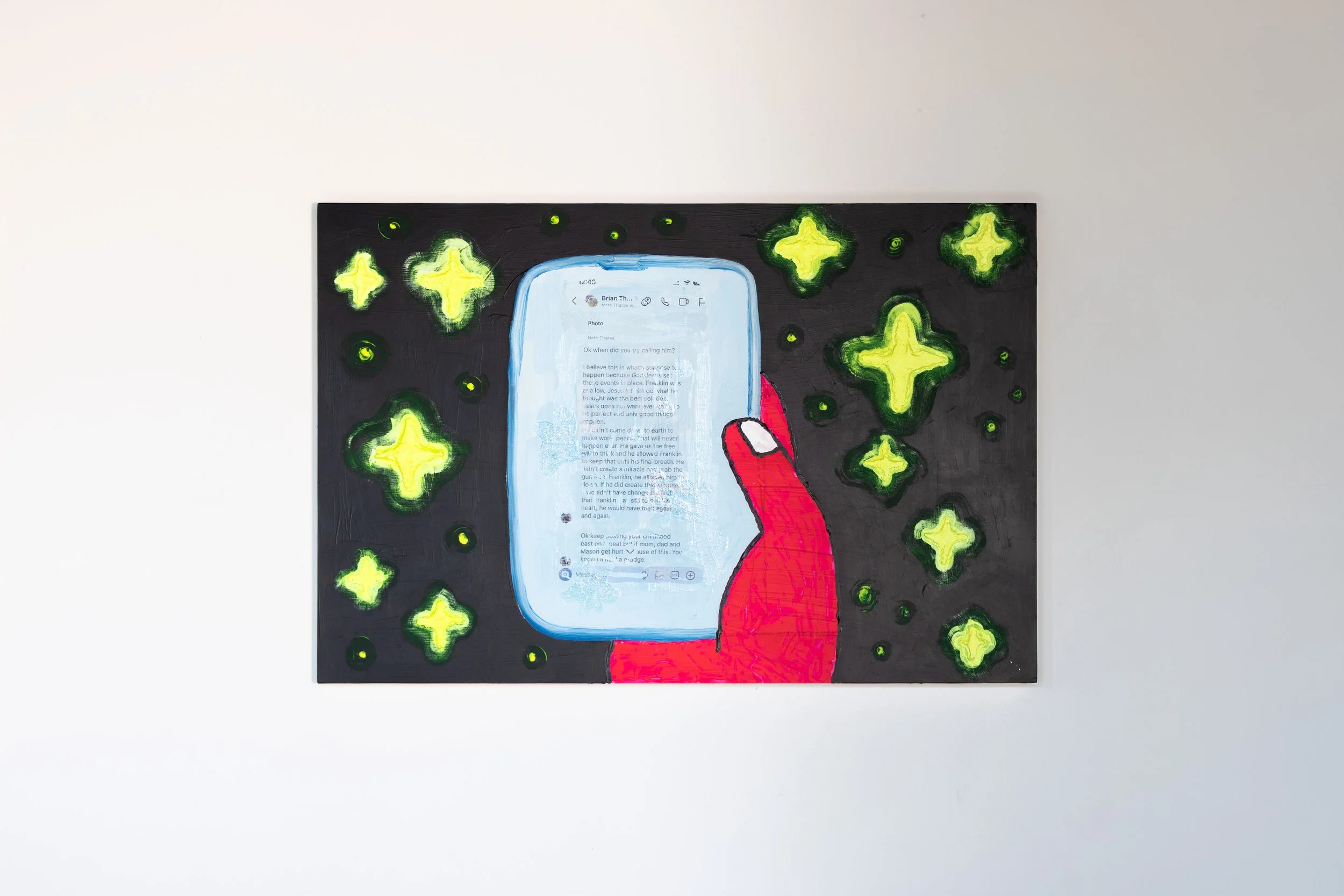
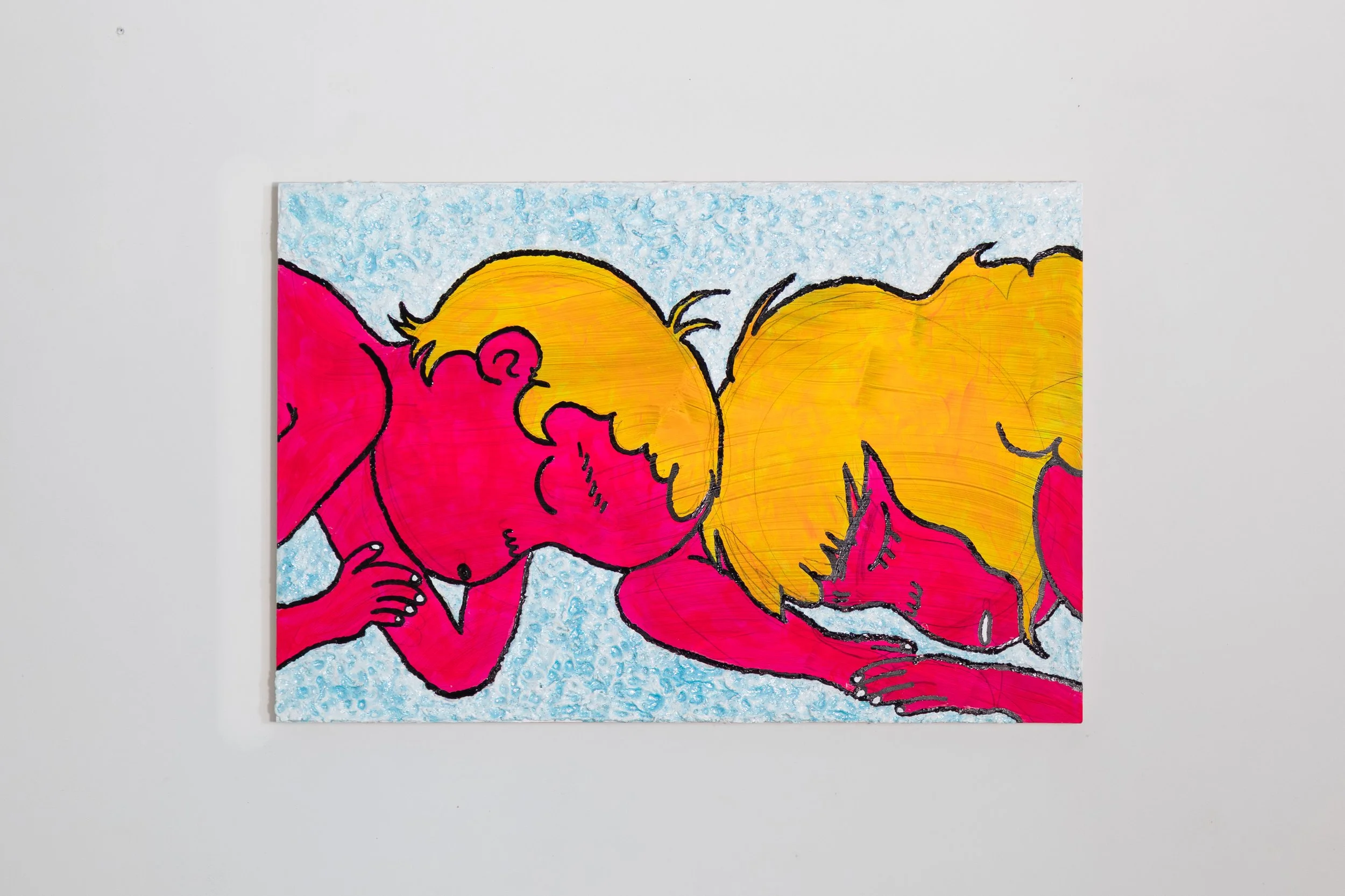
These pieces respond to that rupture. They are an exploration of abandonment, resilience, and the labor of rebuilding kinship. I make art out of personal trauma not to spectacle the pain, but to translate it into forms that hold grief, trace loss, and open toward repair. Materials and gestures in the work reference domestic spaces, fragmented correspondence, and the textures of bodies — both public and private — to examine how familial bonds are imposed, preserved, and sometimes severed.
The experience I recount is not singular. Across contexts, many queer people face rejection from biological families. In response, queer communities create found families: chosen networks of partners, housemates, friends, peers, and mentors who provide care, shelter, and belonging. This exhibition honors that shift from inheritance to chosen kinship. It acknowledges the sorrow of abandonment while insisting on the sustaining power of collective care.
For viewers who have been estranged from their biological families or who feel fundamentally different from those they grew up with, these works are offered as an act of recognition. They are invitations to witness, to grieve, and to imagine alternative structures of support. For those who have not experienced such estrangement, the work offers a space to understand how intimate rejection intersects with broader systems of expectation and exclusion.
Ultimately, the work is both testimony and practice: an attempt to hold open the space where pain is felt honestly and where healing — slow, collaborative, and creative — can begin.