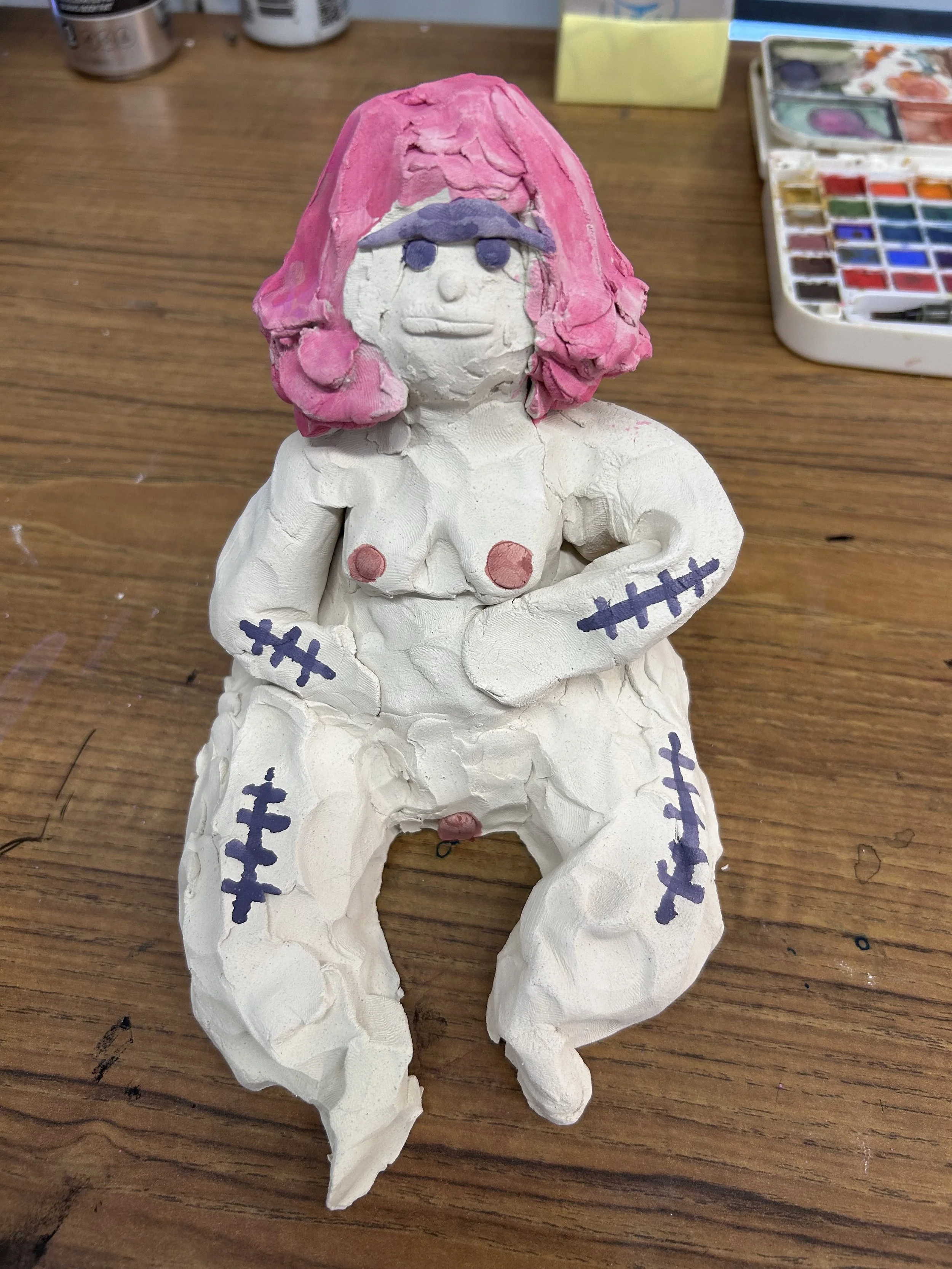
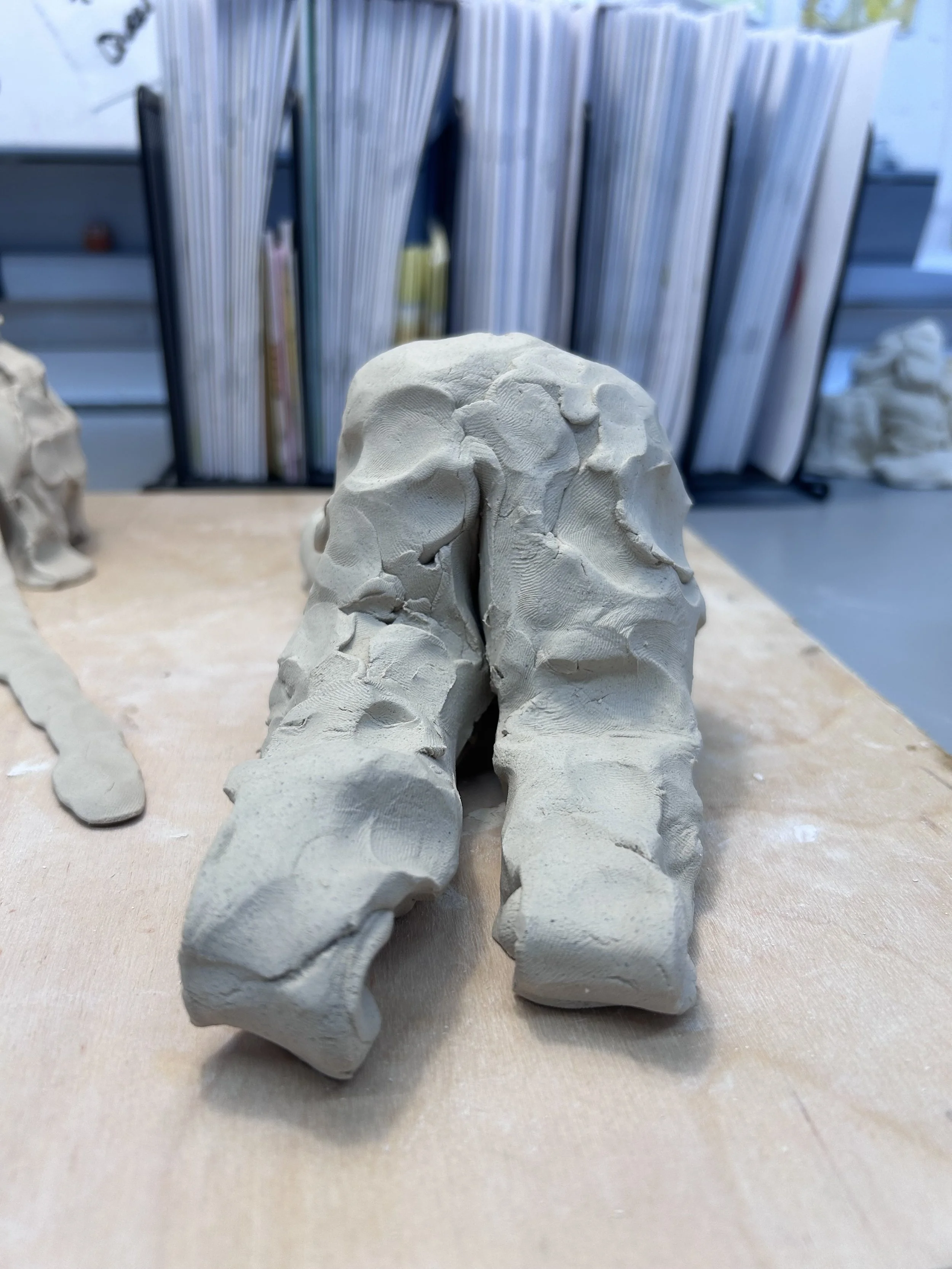
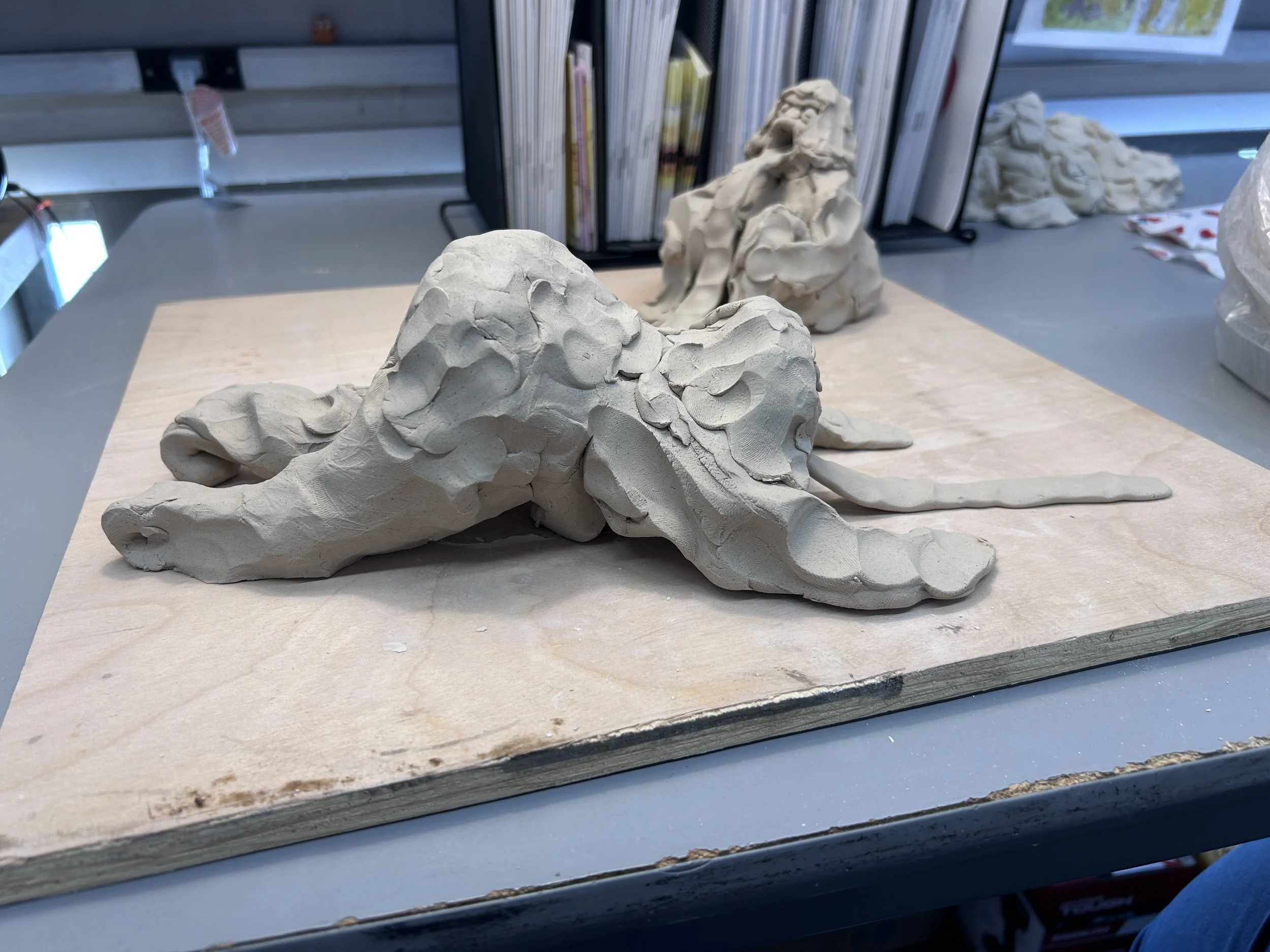
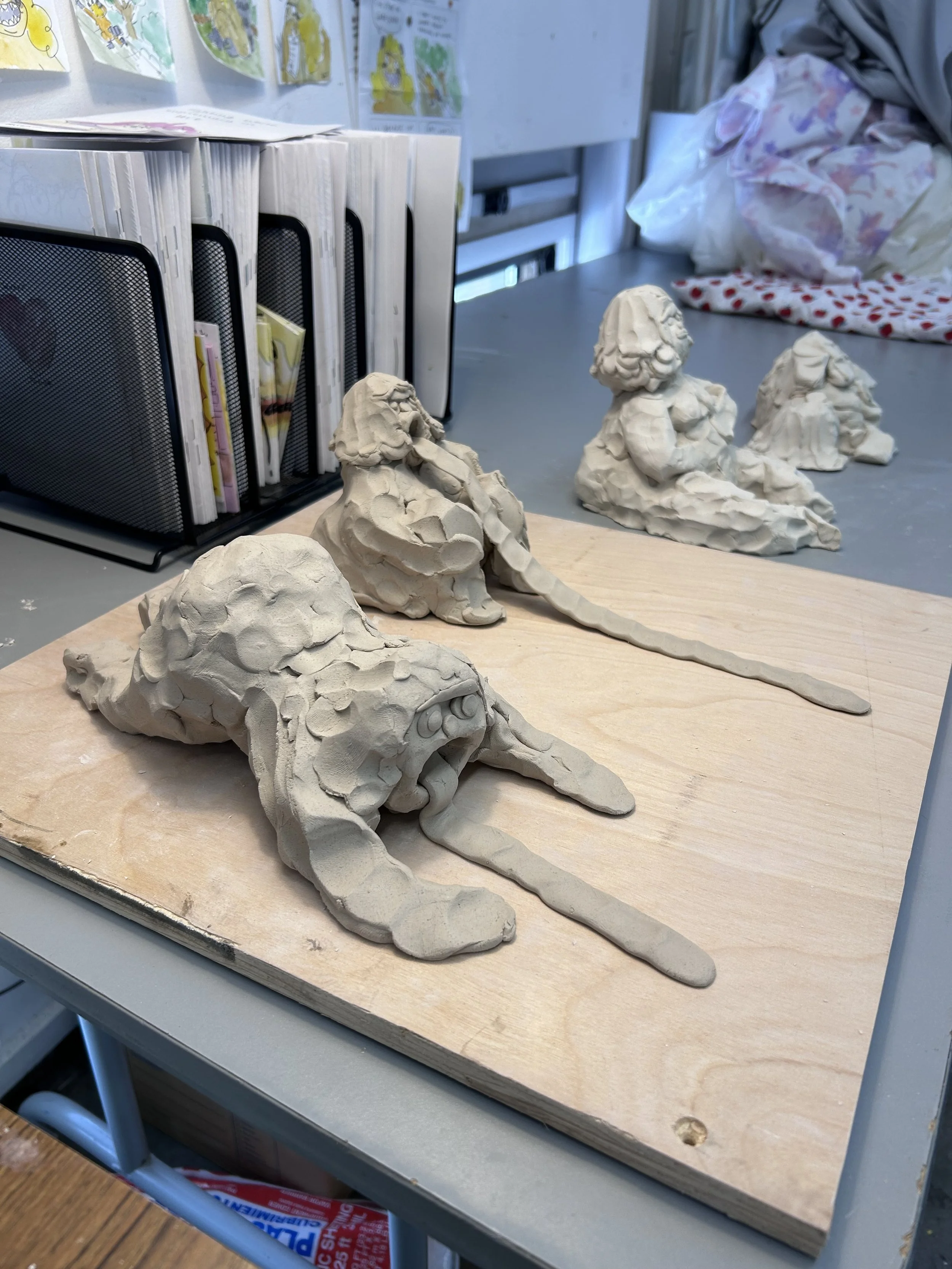
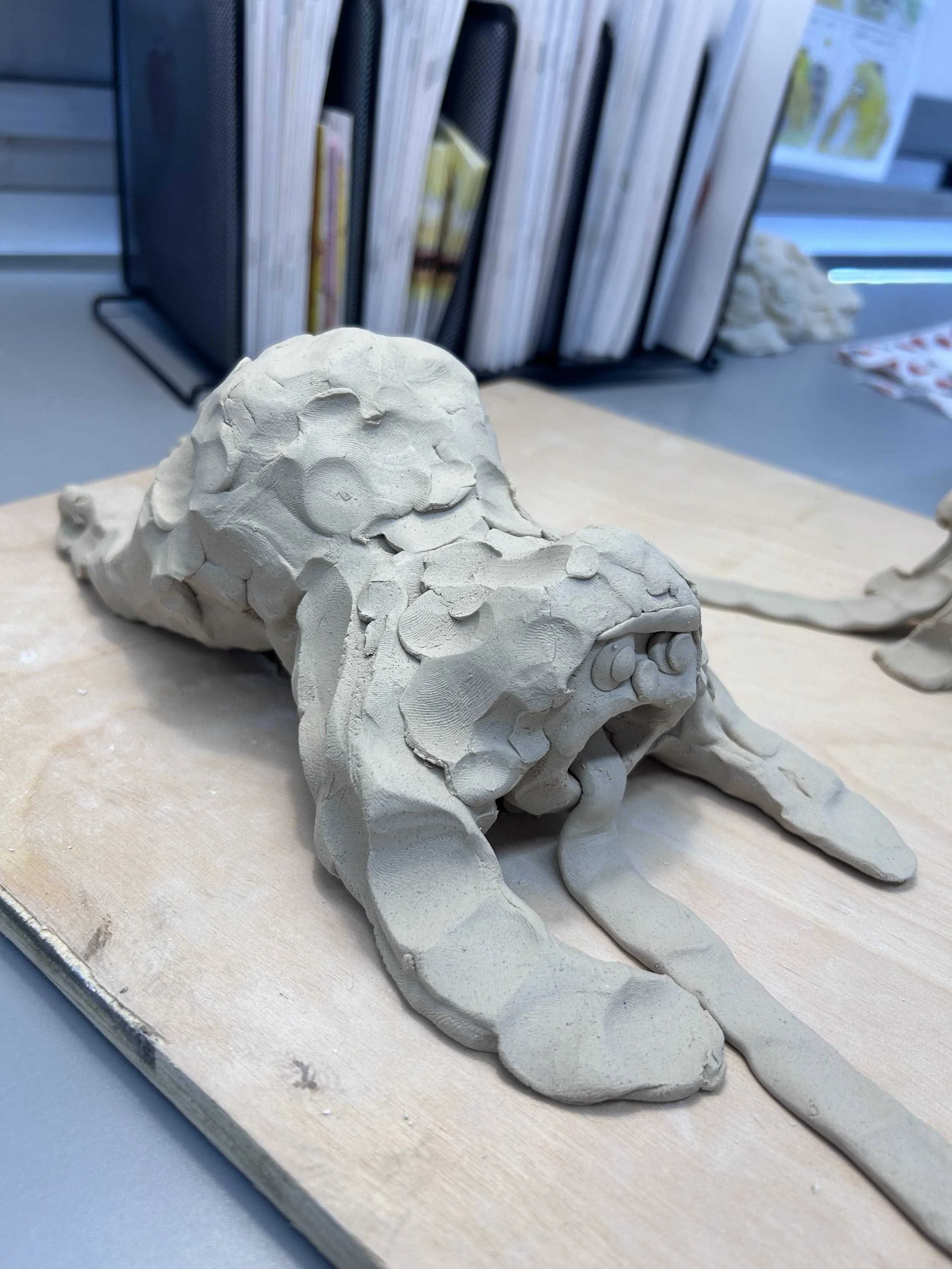
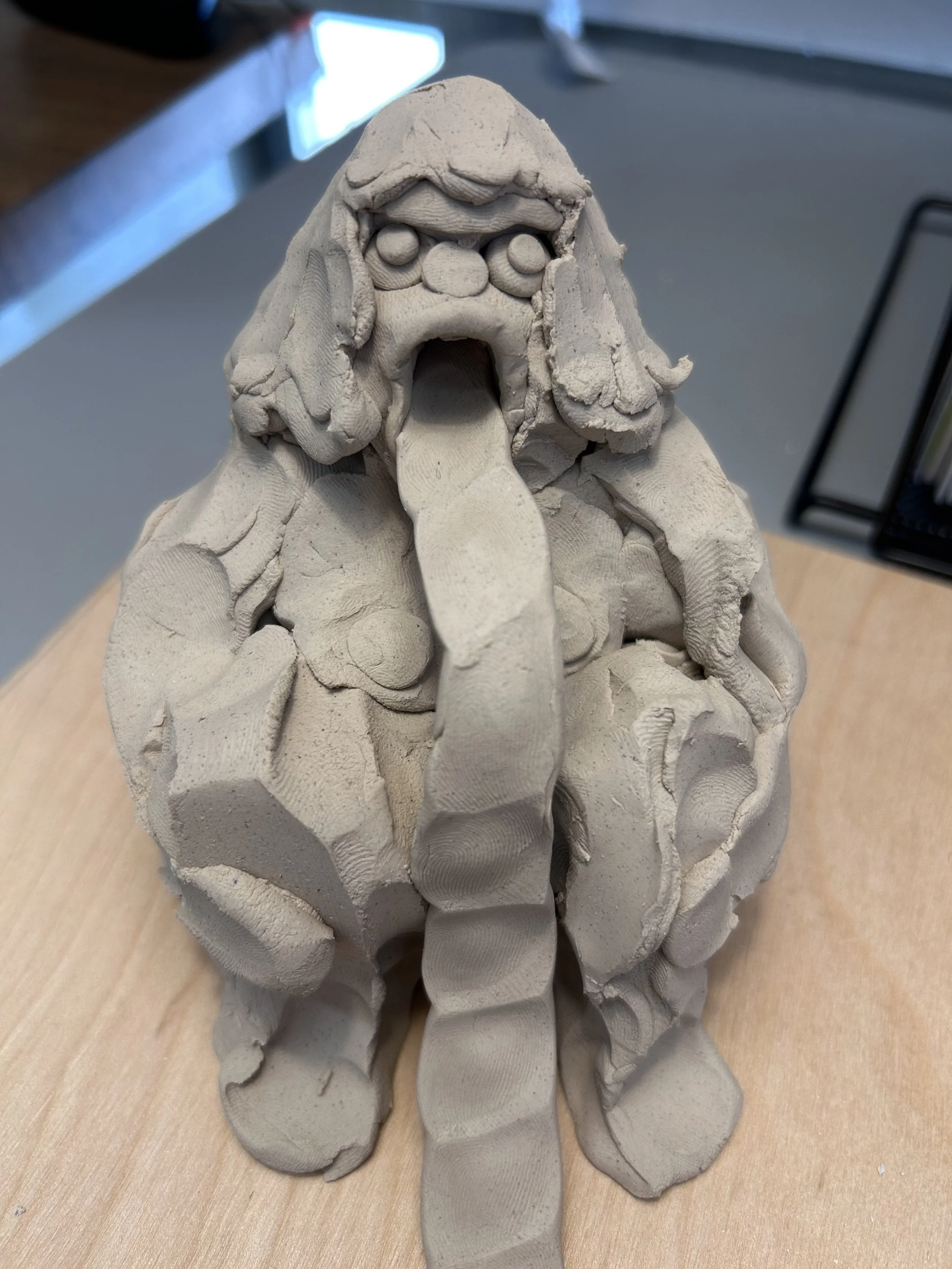
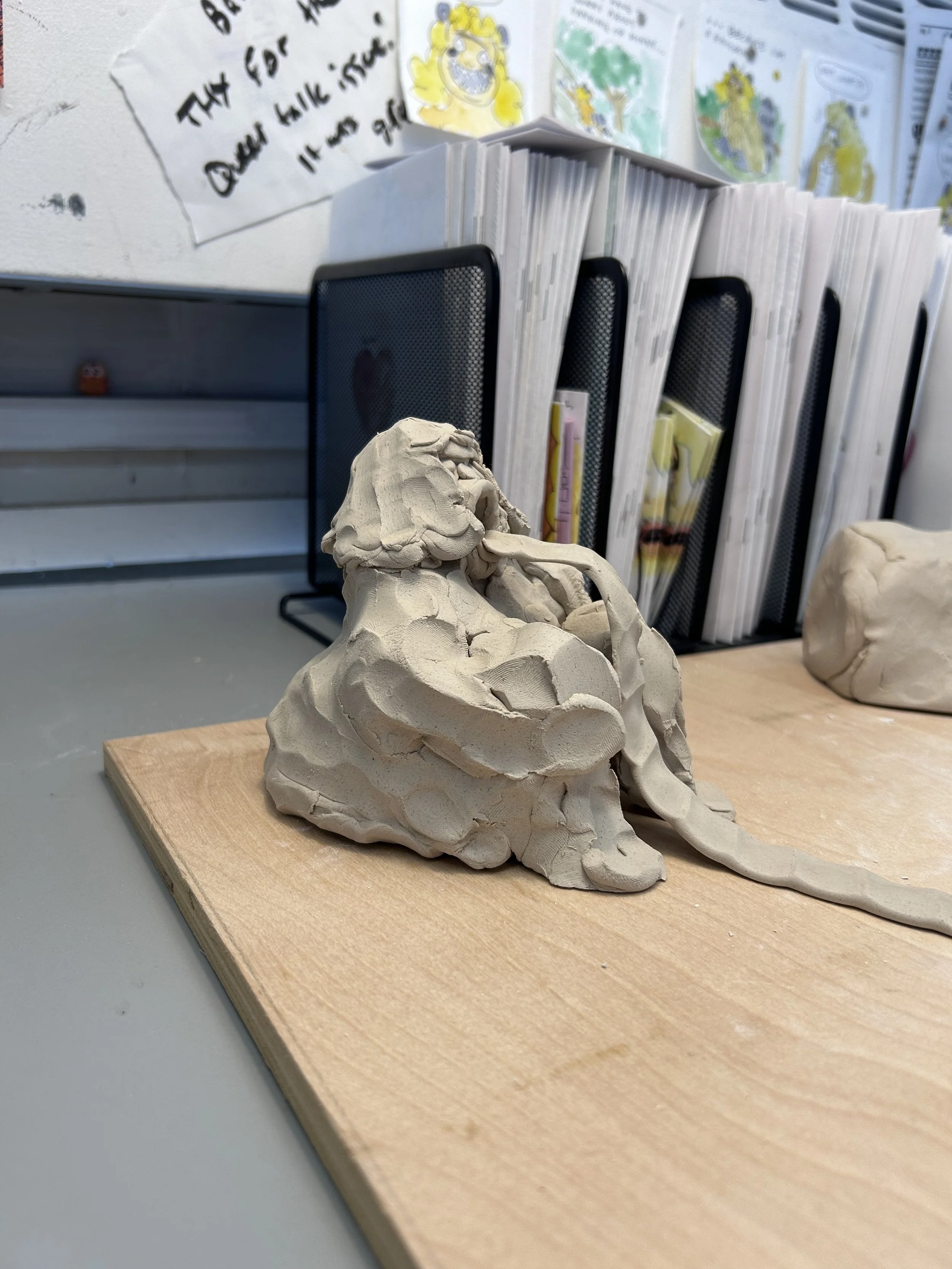
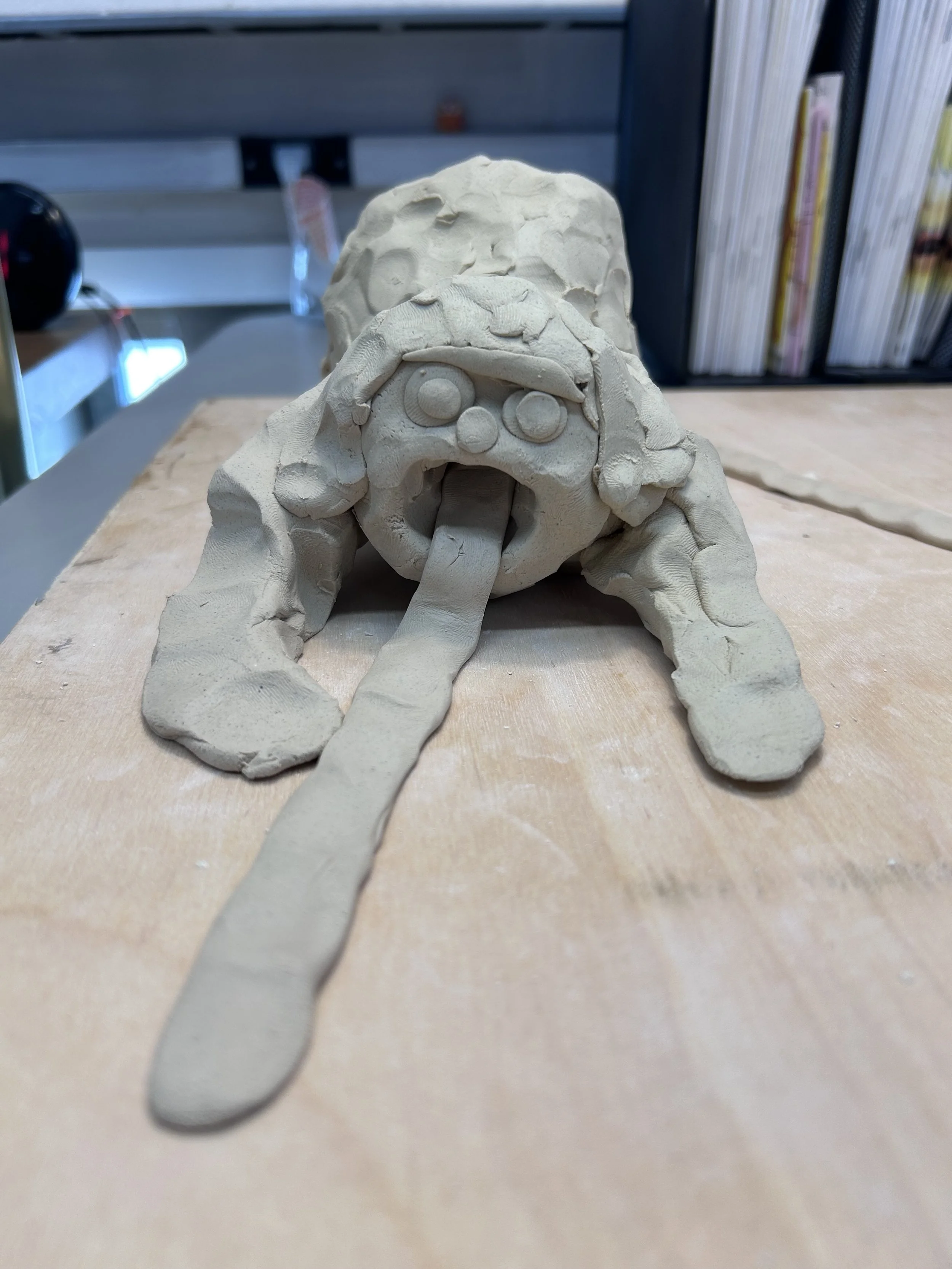
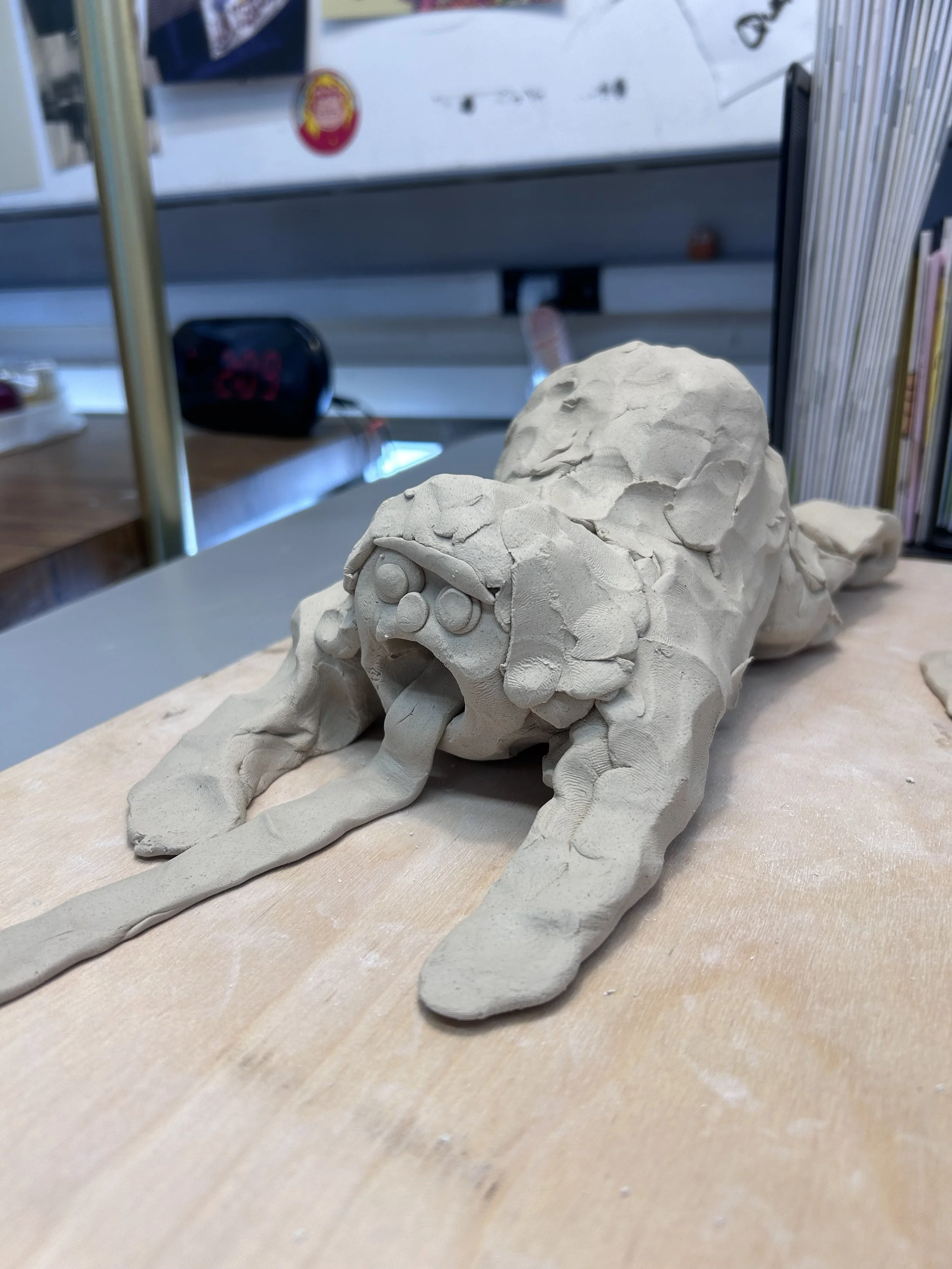
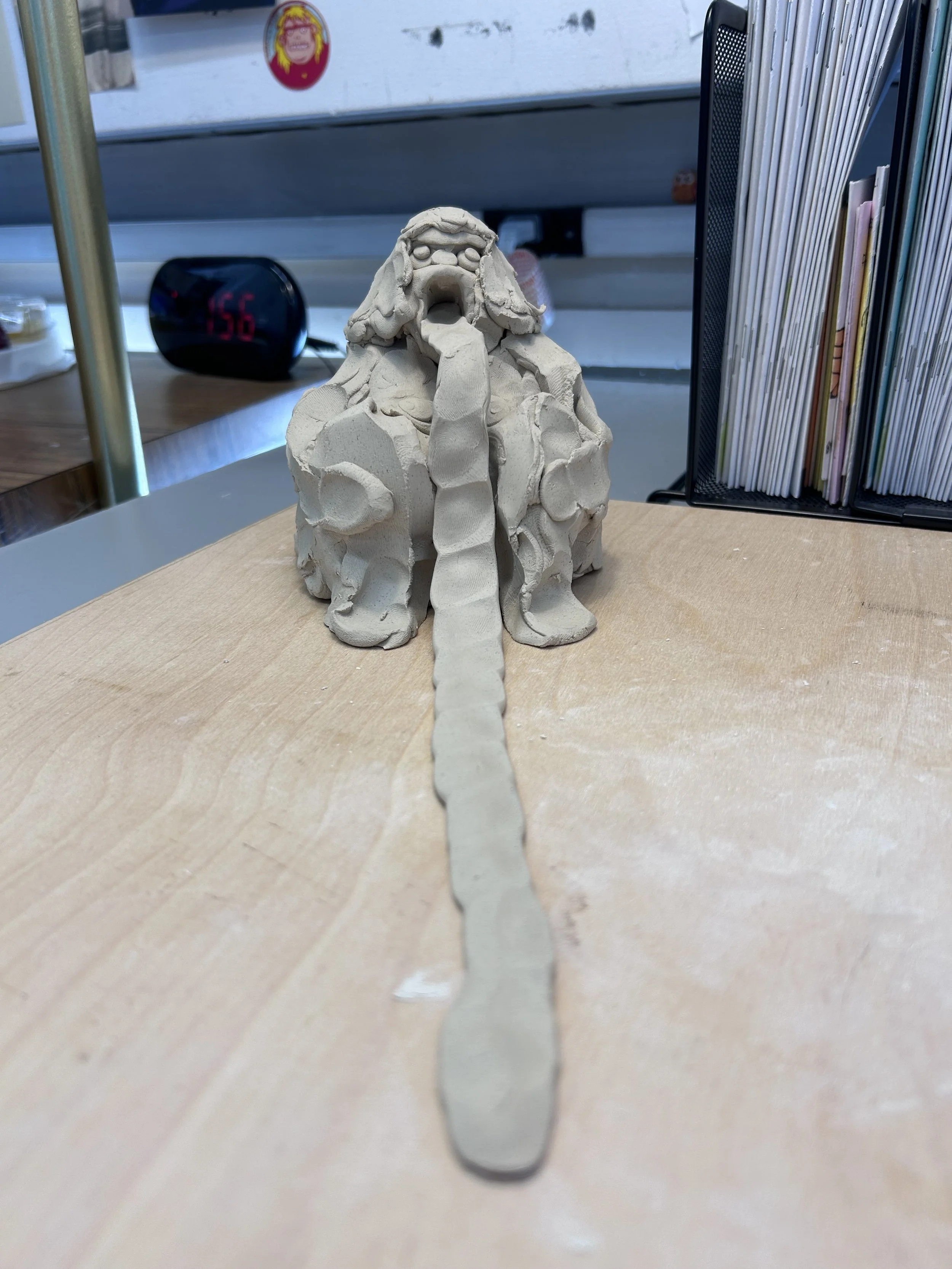
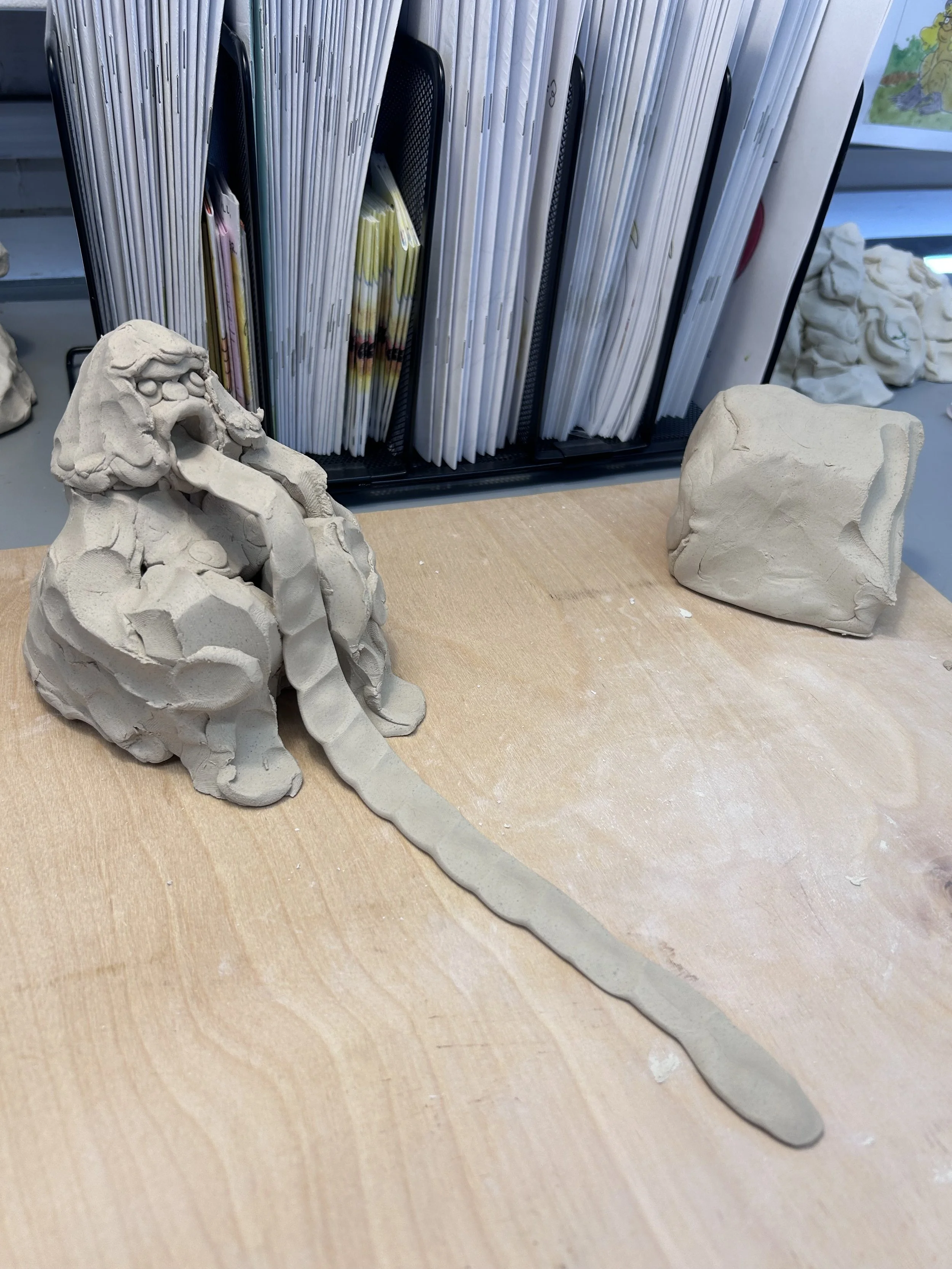
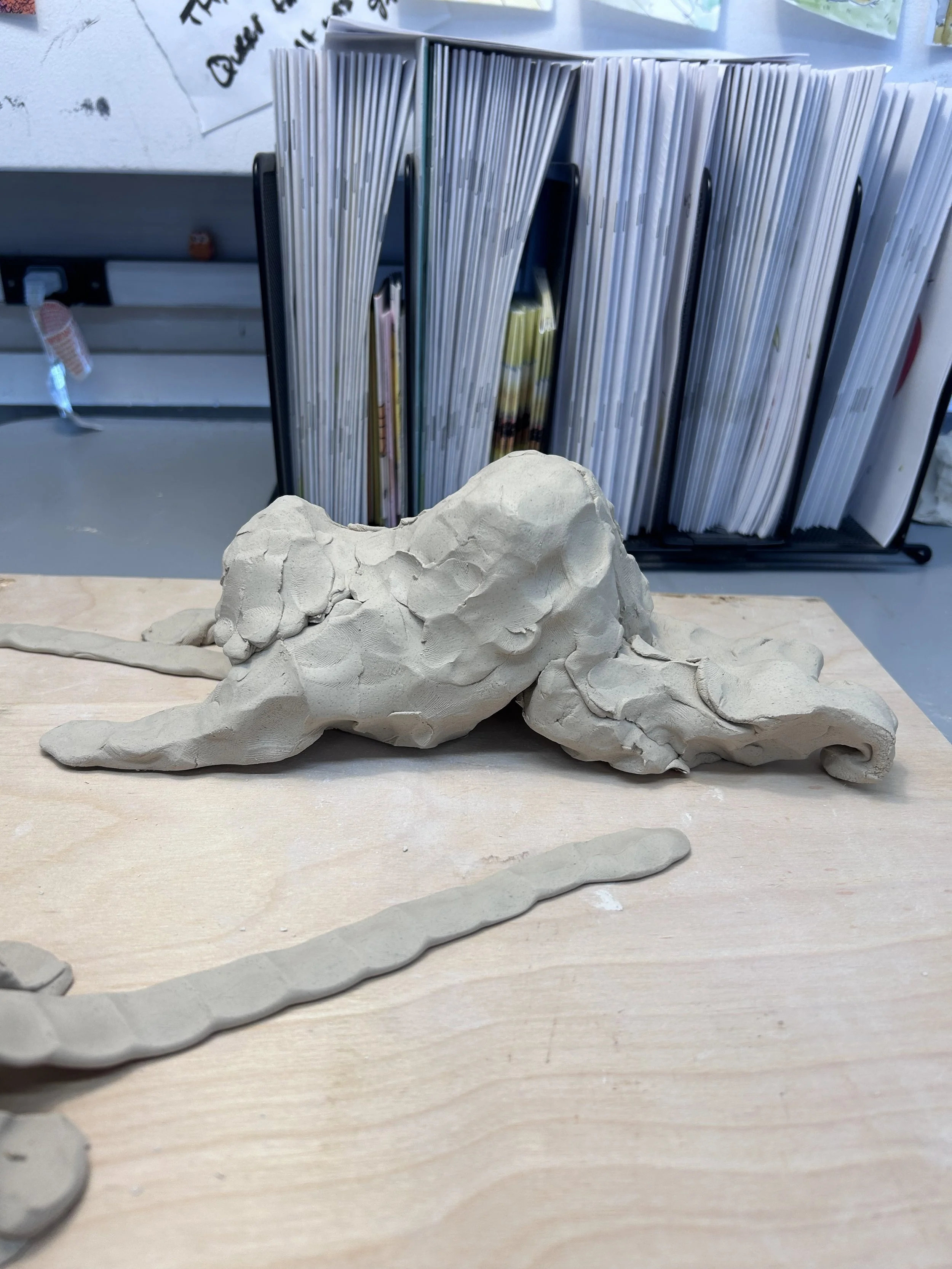
Ceramics and Mexican HeritageCeramics open a direct, tactile pathway into my Mexican heritage. Each piece is a repository of memory, technique, and gesture passed down across generations. Working with clay is not only a craft but an act of continuity: hands shaping earth connect me to the hands of ancestors who molded forms for daily use, ritual, and ceremony. The material itself carries a geography of meaning; the textures, colors, and firing practices reflect regional identities, stories, and the practical wisdom of those who lived with these objects at the center of their lives.
When I sit at the wheel or press clay into a mold, time compresses. Rhythms of breathing, the pressure of thumbs, the slow coaxing of shape—these motions are a form of communication. Through ritualized repetition I enter a liminal space where intuition and body memory converge. Patterns and motifs surface not as conscious decisions alone but as impulses guided by the lineage from which I come: an inherited vocabulary of forms that feels both familiar and newly interpretable. In this way, ceramics become a language, one that lets me ask questions of the past and receive answers in texture, form, and the quiet authority of things made by hand.
Firing is a sacred act. The kiln’s heat alters clay in irreversible ways, a metaphor for transformation found throughout indigenous and mestizo spiritual traditions. Watching glazes bloom and crackle, listening to the faint sounds as the kiln breathes, I feel I am participating in a larger cosmology—acknowledging cycles of destruction and renewal, honoring the elements that give and take. Some pieces are made specifically for ritual use: offering bowls, candle holders, forms meant to hold copal, water, or food for the ancestors. Placing food in a vessel I have made is both practical and profound: a way to feed memory, to keep relationships alive across time.
Ceramics also facilitate conversation with ancestors through improvisation and attention to intuition. I don’t always know what a piece will become; I follow touch, color, and the suggestions of the clay. That openness invites ancestral voices—stories, gestures, aesthetic choices—to surface.
Making ceramics in the context of Mexican heritage also involves acknowledging colonial histories and syncretic spiritualities. The ceramics I create sit at the intersection of indigenous practices, and contemporary expressions. Engaging with these layered histories requires respect and reflection: honoring indigenous methods and meanings while recognizing how materials, markets, and modern life have altered traditions. My work aims to hold those tensions—preserving ancestral gestures while allowing new spiritual dialogues to take shape.
In community, ceramics become a collective language. Shared workshops, family sessions, and communal firings are sites where stories are told, recipes for slipped glazes are exchanged, and rites are taught. These communal rituals reinforce belonging and transmit embodied knowledge in ways words alone cannot. A single vessel, gifted to a family member, can bridge distances, carry blessings, and assert identity.
Ultimately, ceramics are both method and message. They are the means by which I practice devotion, remember, and converse with those who came before me. Each hand-formed piece is a conversational object—holding grief, celebration, guidance, and the quiet wisdom of lineage. In clay I find a language that allows spiritual intuition and ancestral presence to become visible, an ongoing ritual act that roots me in the past while shaping how I live and transmit heritage in the present.